Hardware, Green Finance, and the SKYTOPIA Opportunity
By Captain Steven Cheung, Chairman, HKPAPA
As Hong Kong enters 2026, the aviation industry is no longer talking about recovery—it is recalibrating its altitude. The city is moving into a new strategic phase defined by next-generation aircraft, sustainable finance, and an aviation-centric urban economy that is unmatched globally.
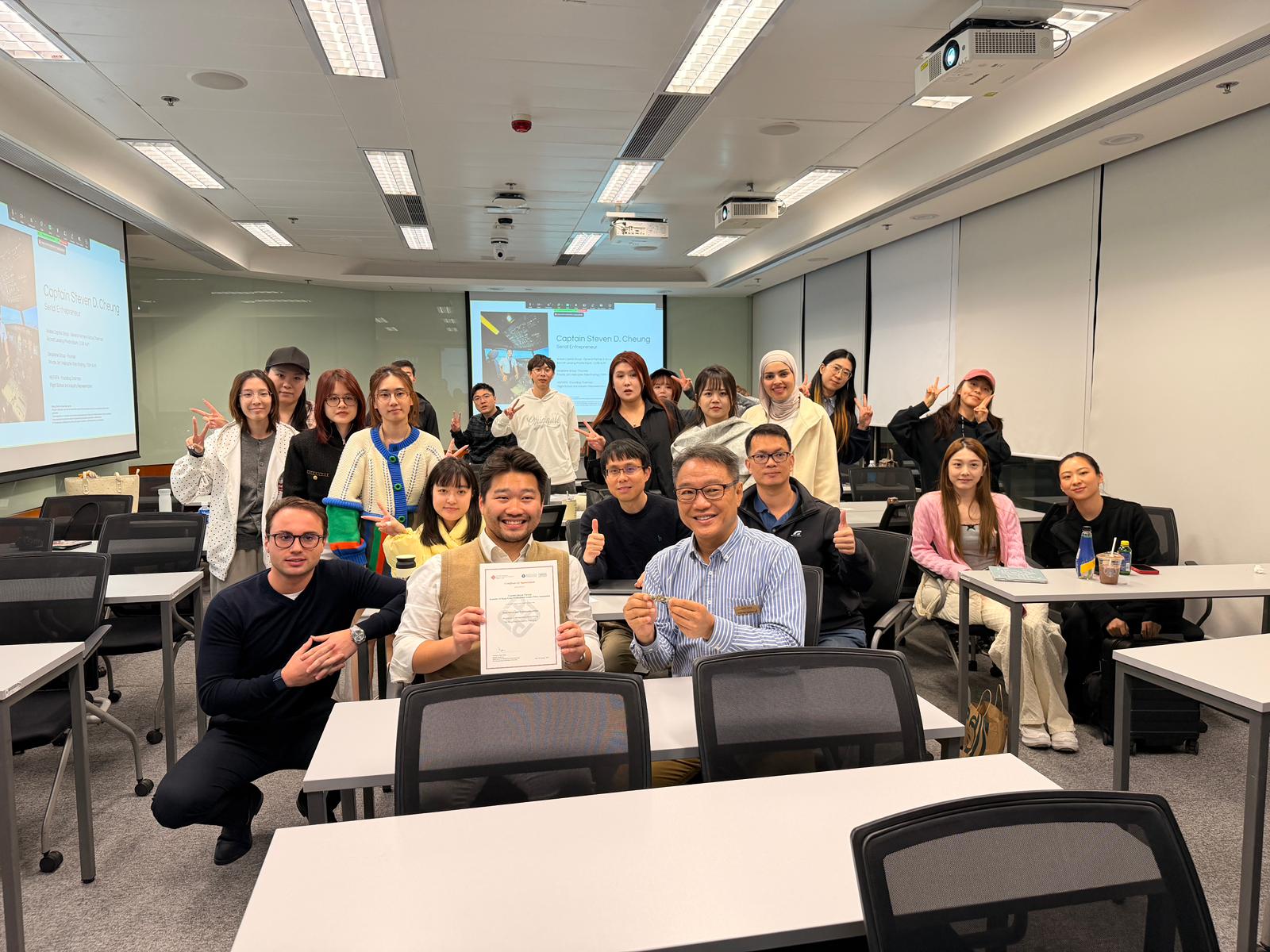
I recently had the privilege of engaging MBA cohorts at The Hong Kong Polytechnic University Business School, where many students come from investment banks, family offices, and institutional asset managers. Their questions were telling: they are no longer asking if aviation will transform, but where capital should position itself as that transformation accelerates.
This is precisely where HKPAPA—and Hong Kong—matters.
1. Aircraft as Strategy: A New Airline Economics
The economics of aviation are being reshaped by hardware.
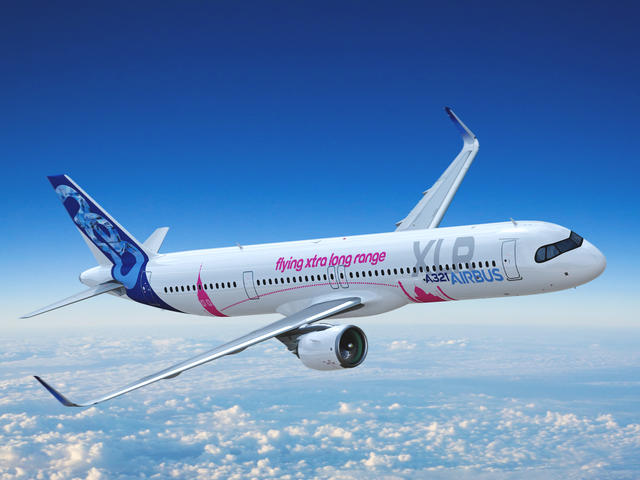
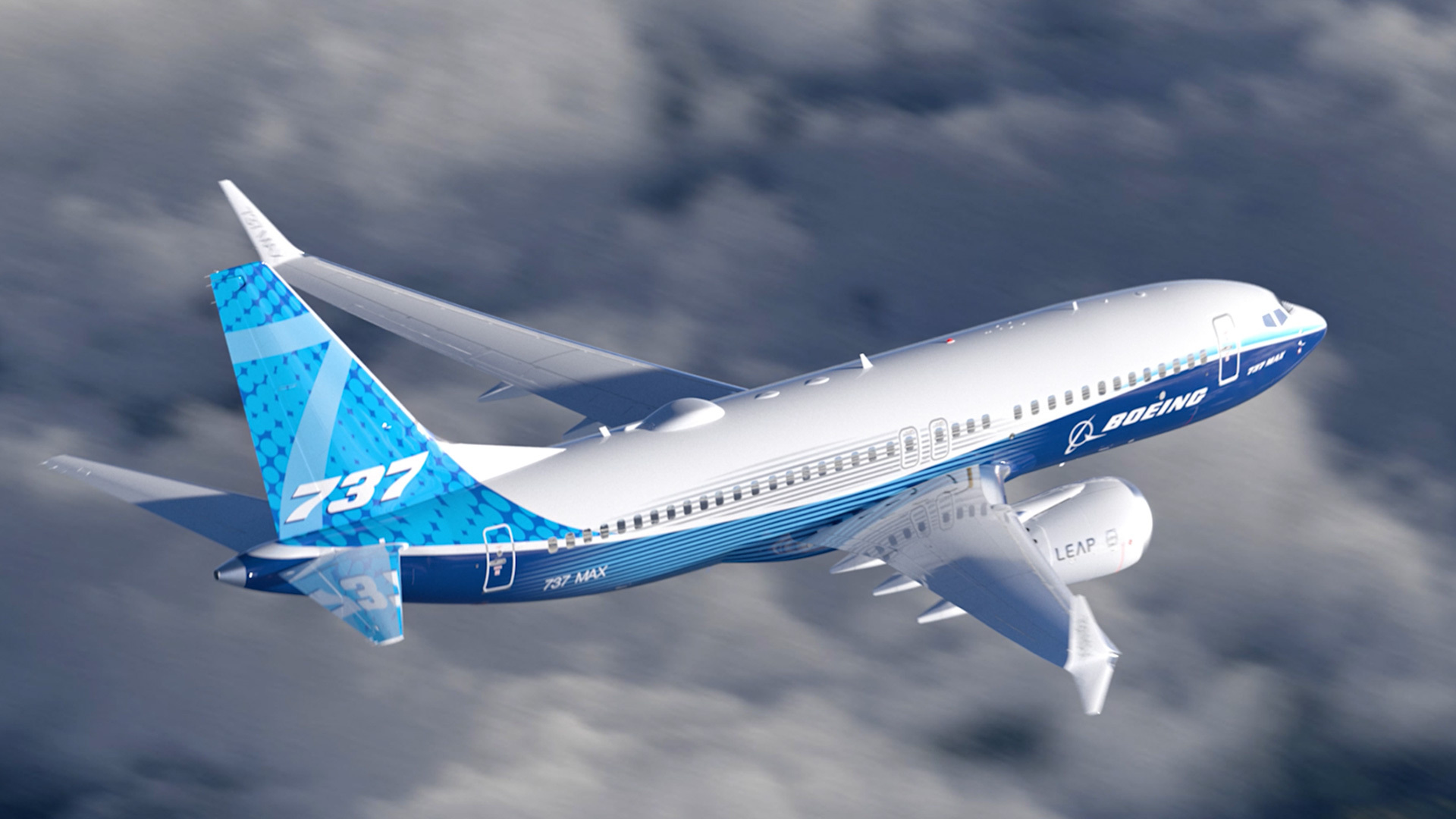
The arrival of aircraft such as the Airbus A321XLR and the Boeing 737 MAX is redefining network planning. These platforms allow airlines to profitably serve long-thin routes that once required wide-body aircraft, dramatically lowering trip costs while preserving yield discipline.
For pilots, this is not abstract theory—we operate these aircraft at the limits of their performance envelopes. For financiers and strategists, the implication is clear:
Greater route optionalit
Lower capital risk per sector
More resilient airline balance sheets
This shift fundamentally strengthens Hong Kong’s role as a premium long-haul and regional connector.
2. The C919: From National Program to Global Contender
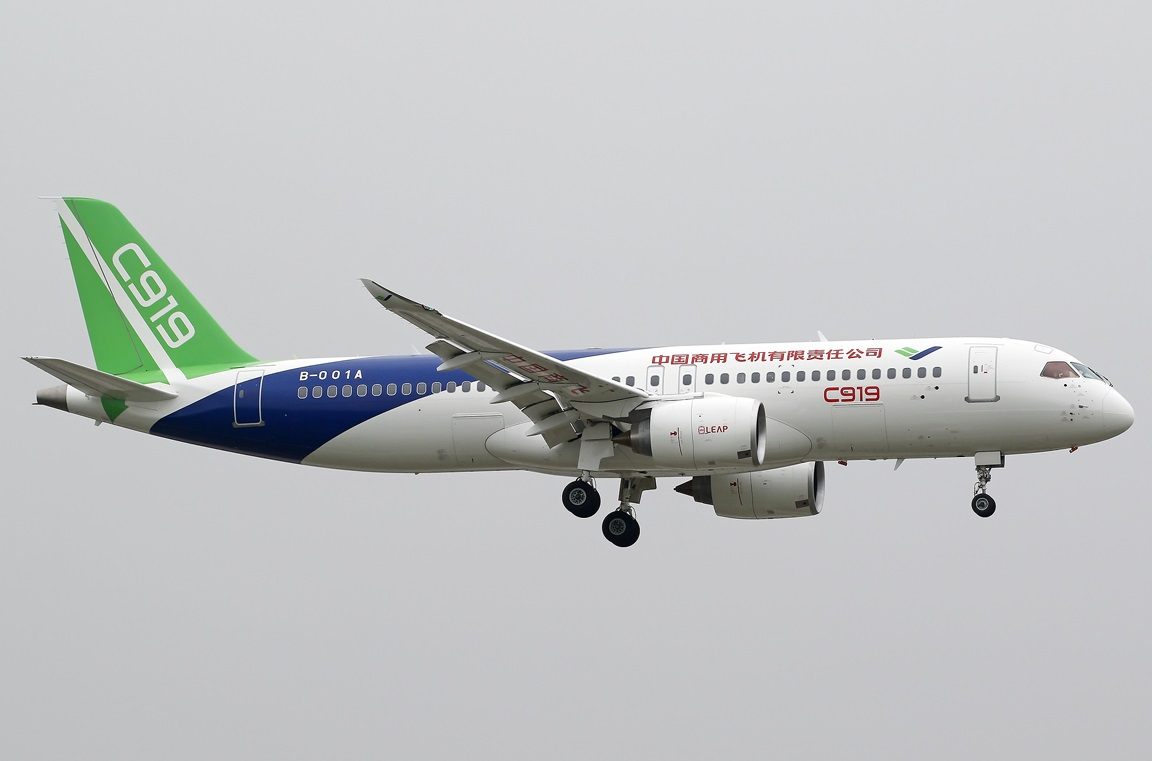
Another development closely watched by both pilots and investors is the rise of the COMAC C919.
With European Union Aviation Safety Agency certification now progressing through validation flight testing, the C919 is moving beyond symbolism. It is emerging as a credible participant in the global narrow-body market—particularly relevant in a geopolitically complex environment where fleet diversification is becoming a strategic necessity.
For Hong Kong, uniquely positioned between global capital and mainland manufacturing capability, this represents optionality rather than ideology.
3. SKYTOPIA: Aviation as an Asset Class
The commissioning of the Three-Runway System was only the beginning. What truly differentiates Hong Kong is the rise of SKYTOPIA, the Airport City anchored at Hong Kong International Airport.
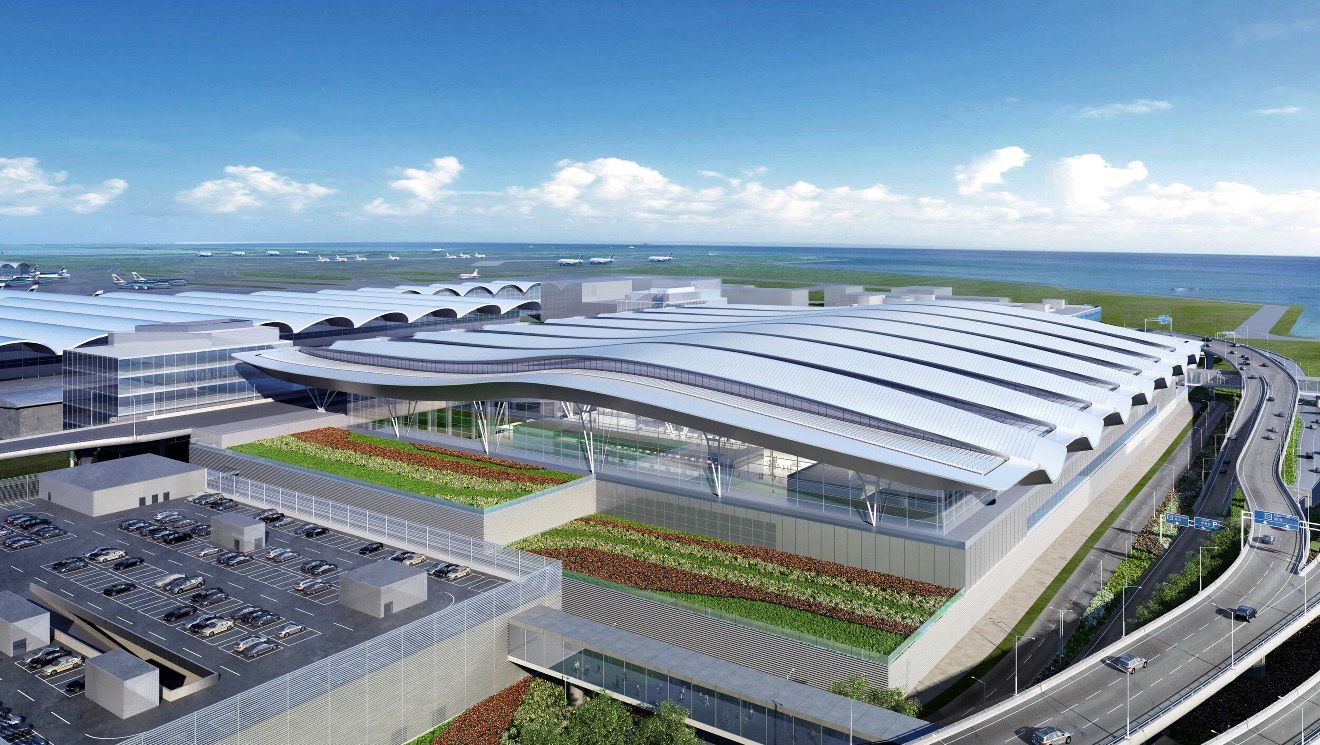
This is not just infrastructure—it is an investment ecosystem:
Terminal 2 (T2) reimagined as a premium commercial, financial, and experiential hub
Airport Bay Marina, integrating aviation with ultra-high-net-worth maritime mobility
A dedicated air-side art storage and logistics hub, reinforcing Hong Kong’s role as a global art market
There is nothing comparable in scale or integration anywhere else in the world. SKYTOPIA transforms aviation from a transport utility into a multi-vertical economic platform.
4. Sustainable Aviation Fuel: Where Green Finance Meets Real Yield
From a capital markets perspective, Sustainable Aviation Fuel (SAF) is where sustainability becomes investable.
Hong Kong’s policy direction positions SAF not as a cost center, but as a green alpha opportunity—unlocking transition bonds, structured finance, and long-duration infrastructure plays. With carriers such as Cathay Pacific targeting meaningful SAF adoption by 2030, and regional feedstock capabilities scaling across the Greater Bay Area, the runway for green aviation finance is real and measurable.
This is precisely the kind of opportunity sophisticated family offices and institutional investors seek: regulated, long-term, and strategically essential.
The Pilot’s Perspective—and HKPAPA’s Role
At Hong Kong Professional Airline Pilots Association, we sit at the intersection of strategy and execution. We fly the aircraft that generate these returns, operate within the regulatory frameworks that protect capital, and understand the operational realities behind every balance-sheet assumption.
My engagement with MBA students reinforced a key insight: the next generation of financial leaders understands that aviation today is about systems, not silos—hardware, policy, sustainability, and geopolitics converging at altitude.
In an increasingly fragmented world, Hong Kong’s “One Country, Two Systems” framework continues to offer regulatory credibility, legal certainty, and global neutrality. These qualities are not theoretical—they are decisive.
Final Approach
Hong Kong is no longer merely a transit hub. It is becoming one of the world’s most sophisticated aviation ecosystems—where aircraft technology, green finance, and urban development converge.
HKPAPA is proud to be part of this trajectory, ensuring that the professional voice of pilots remains central to shaping an industry that is safer, greener, and economically stronger.
The flight path ahead is clear—and Hong Kong is climbing.