Pass the interview. Start your flying career.
Most cadet pilot applicants fail — not because they lack passion, but because they don't understand how airlines actually assess candidates. We train you to think, communicate and perform the way airline recruiters expect — and 98% of our candidates pass.
Age 18+ · English · 1-to-1 sessions · flexible scheduling
Airlines do not hire on passion alone.
They assess whether you can demonstrate six specific things. Most candidates are never taught how to show them properly.
Most candidates collapse here. That's where this programme comes in.
This course is for you if…
This is not a motivational course.
It's airline-style preparation, led by airline pilots. We focus on how you answer, not just what you say.
Real airline interview formats
The actual structures used in cadet selection — not approximations.
Mock HR and technical panels
Timed, with interruptions and follow-ups, exactly as it happens.
Group exercises, scored properly
Marked the way airlines mark them, by people who have done the marking.
Structured answer frameworks
STAR and decision logic you can apply under pressure.
Line-by-line feedback
On wording, tone and structure — targeted at your weak points.
Re-application strategy
Identify why you failed, fix what recruiters flagged (often indirectly).
Failed HR interview → progressed to the next stage
The problem
Candidate failed a previous cadet interview despite strong motivation and aviation knowledge. Answers were emotional but unstructured — effectively winging it. Recruiters could not assess decision-making or trainability.
What we did
Broke down real airline HR questions. Rebuilt answers using STAR and decision-based framing. Ran timed mock HR interviews with interruptions and follow-ups. Gave line-by-line feedback on wording, tone and structure.
The outcome
Candidate delivered clear, structured responses, demonstrated decision-making and self-awareness — and progressed to the next interview stage.
Most improvement happens not in knowledge — but in clarity, structure and delivery.
The expensive option is the second failed interview.
Airlines run cadet intakes on their schedule, not yours — and many limit how often you can re-apply, or impose a waiting period measured in years. A failed attempt doesn't just cost you the attempt. It costs you the intake, the year, and sometimes the airline.
Preparation costs from HK$10,000. A lost year of seniority costs considerably more than that, every year, for the rest of a career.
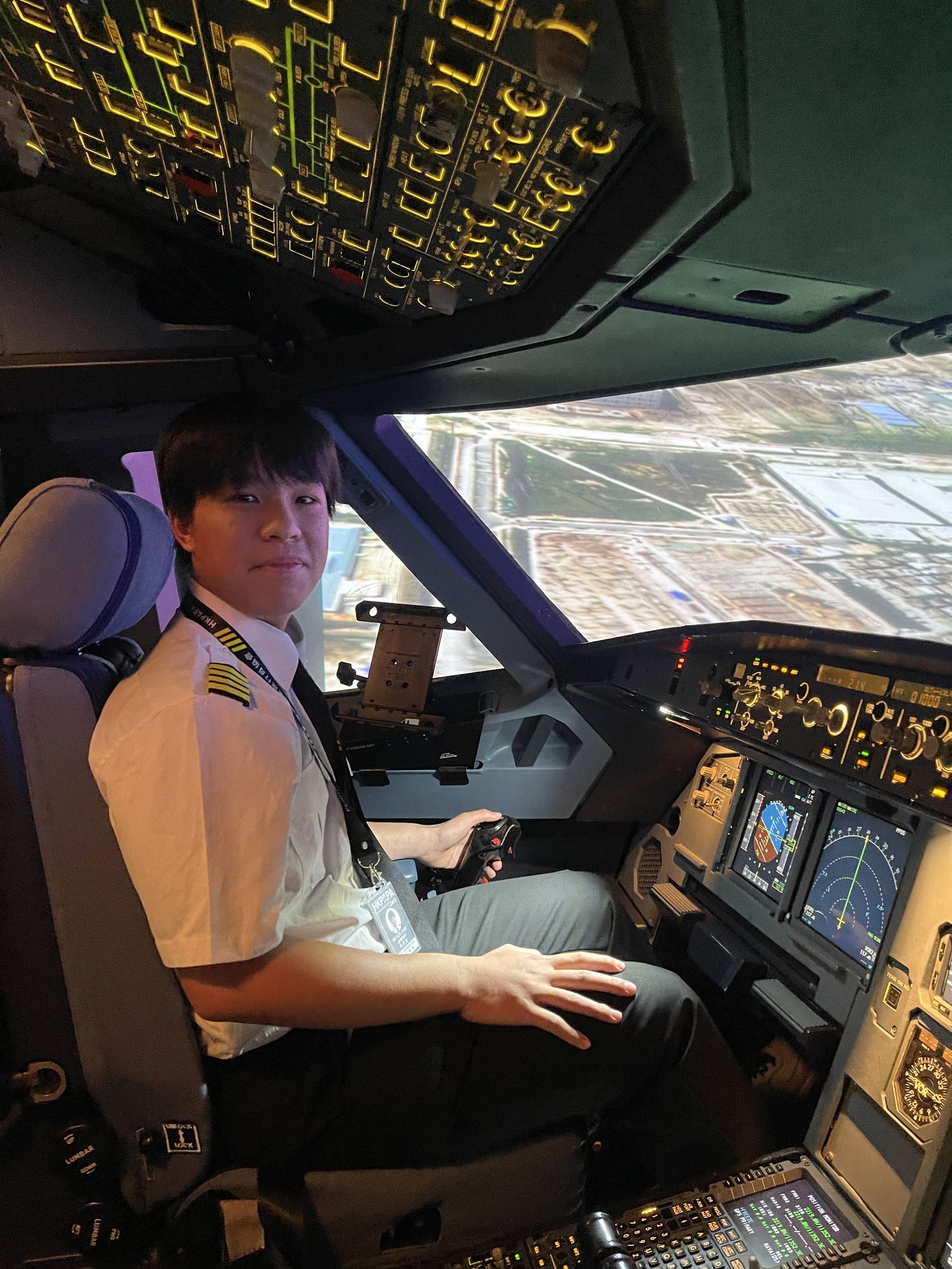
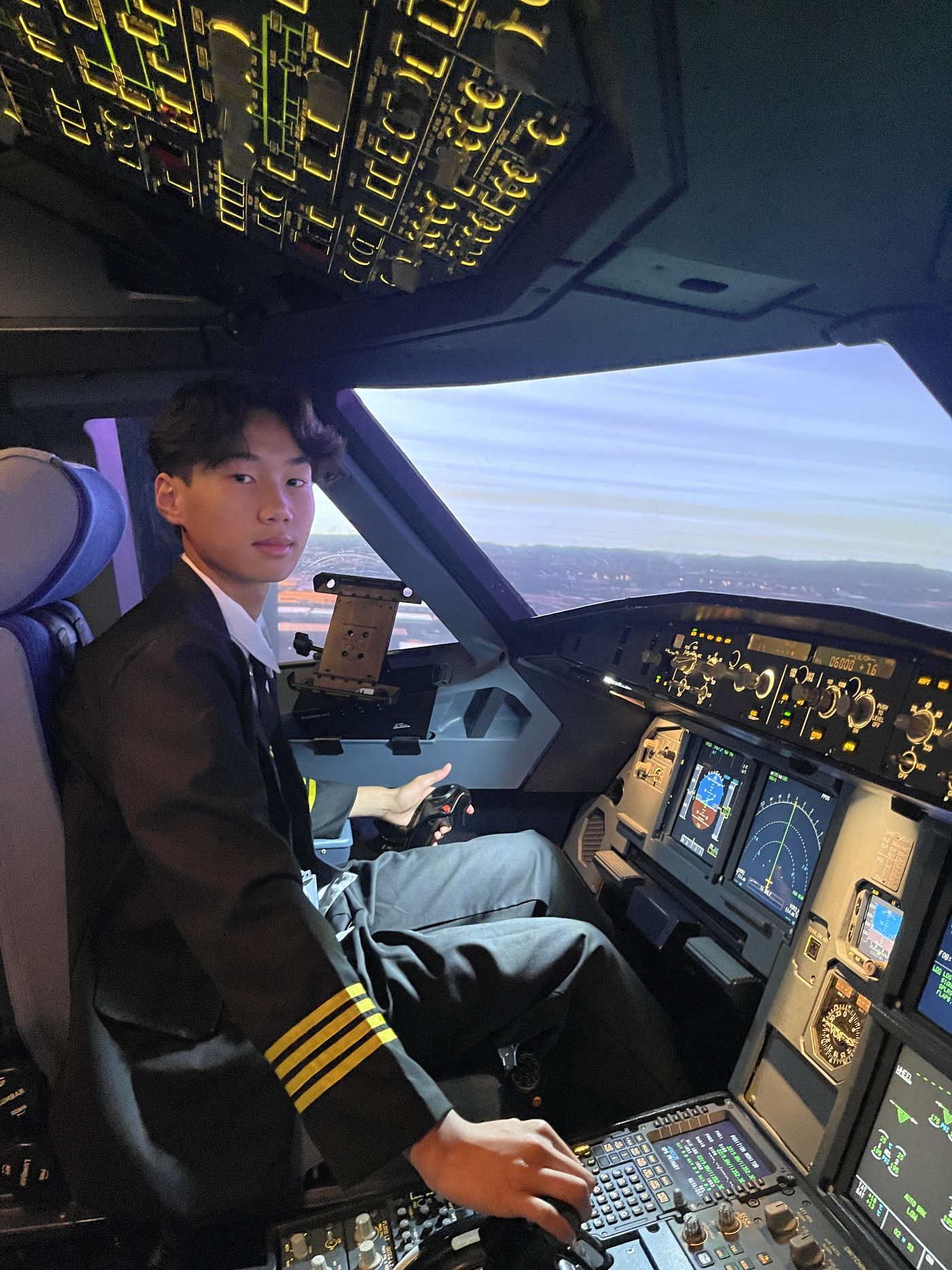
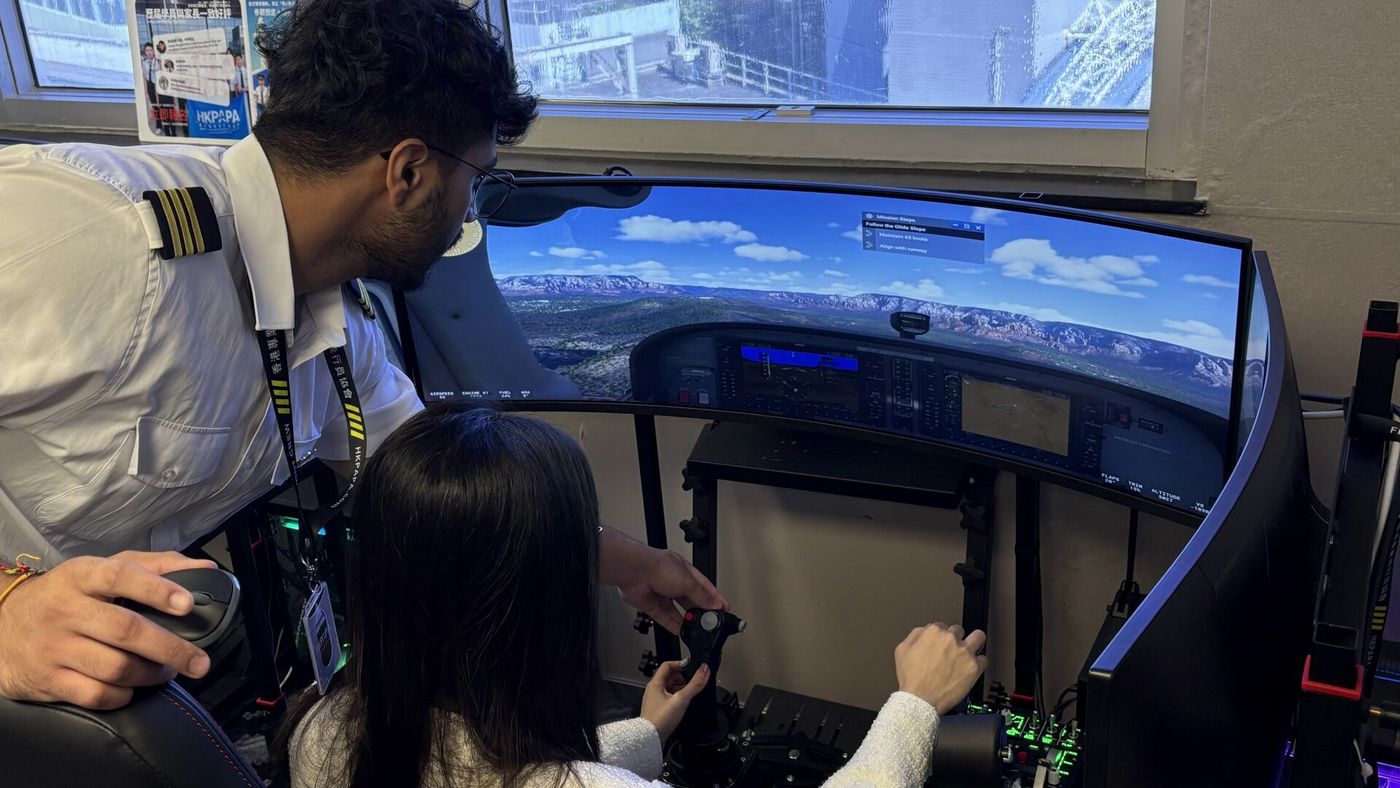
The environment you will be assessed in
Three levels of preparation
All 1-to-1, all led by airline pilots. Each level includes everything in the one before it.
- 1-to-1 with a pilot recruitment manager
- Aviation clinical psychological assessment
- Numerical, verbal & technical reasoning
- COMPASS / Cut-E / PILAPT / DLR / MOLLYMAWK prep
- Interview technique workshop
- Pilot skills workshop
- ICAO English exam training
- Tailored to your target airline
- Performance report after completion
- Simulator sessions
- Group interview exercises
- Ongoing mentorship
- Everything in Foundation, plus:
- Aviation theory fundamentals
- Simulated flight sessions
- Group interview exercise with a recruitment manager
- Advanced interview technique (group format)
- Application form guidance
- Resume & cover letter training
- Comprehensive performance report
- Post-course review with an assigned mentor
- Real aircraft flight experience
- Airline HQ simulation sessions
- Everything in Standard, plus:
- Real flight experience (1 hour, Greater Bay Area)
- Simulated flight at airline headquarters
- Extended 1-to-1 with a pilot recruitment manager
Candidates who previously failed a cadet interview · applicants targeting a specific airline intake · parents seeking maximum preparation and exposure.
Application & screening
We don't take everyone. Each application is reviewed so we can recommend the right programme — not the most expensive one.
Send your background
Message us with your goals, target airline and any previous attempts.
Application review
Our training team assesses your background and current readiness.
Short mock phone interview
Selected candidates are invited to a brief call so we can hear you in action.
Programme recommendation
We place you in the pathway that fits your goals — then training begins.
People who know what gets candidates rejected — and why
Airline pilots
Currently flying the line, not retired from it.
Real cadet selection experience
Instructors who have sat on the other side of the table.
Recruitment psychology
Coaches who understand both flying and how selection decisions are actually made.
Our founder has mentored more than 1,000 student pilots from 60 different countries. In recognition of his contributions, he was awarded the Duke of Edinburgh Flying Bursary at St James's Palace in 2018.
Before you apply
Which programme should I choose?
I already failed a cadet interview. Is it worth trying again?
What does the 98% pass rate actually mean?
Do you guarantee I'll pass?
Which airlines do you prepare candidates for?
Are sessions really one-to-one?
What are the entry requirements?
Can my parents attend or be briefed?
THE AVIATION JOURNEY
Age 4 → Flight Deck
Real flight time makes you a better candidate
FlightdeckQ
The AI study platform for type-rated and line pilots. It finds the gaps in your systems knowledge, tells you what to revise, and keeps you recurrent-ready between six-monthly sim checks.
Covering the major types operated in Hong Kong and the region — with A350 and B777 as our flagship banks. Written with reference to the FCOM (Flight Crew Operating Manual).
Study anytime, anywhere · relevant, accurate, updated
Can you afford to fail your interview?
Some airlines limit how often you can re-apply. 98% of our candidates pass — preparation with purpose beats trial and error.