Reflection promptImportant Notice: This note is intended solely for Pilot Apprentices under the Aerospace Ambassador Programme for educational and simulator familiarization purposes only. It is not for real-world flight operations. Always refer to your company SOPs and approved manuals for operational and training use.
What students actually do when visiting an Airbus / Boeing Level-D Simulator?
This simple guide is designed for student pilots/pilot apprentices visiting an A320 full-motion Level-D simulator, where you experience base training exactly like airline cadets — you are the PF (Pilot Flying).
What is Base Training?
Base training is the phase where pilots practice take-off and landing circuits in a full-motion simulator before flying the real aircraft.
In an airline context, this is where:
You learn aircraft handling close to the ground
You practice raw flying skills (pitch, power, attitude)
You understand crew coordination (PF / PM) in a high-workload environment
For students, this is a rare chance to sit in the left seat and fly an airliner circuit from start to finish.
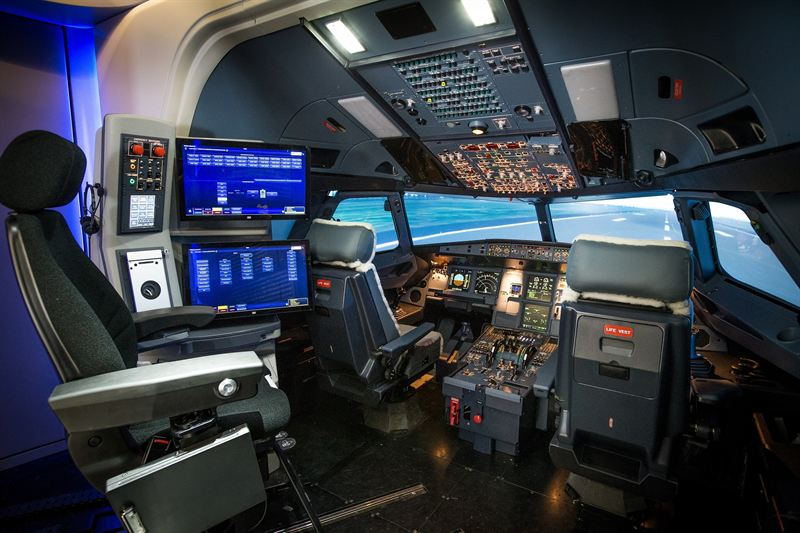
Circuit Setup (A320 – Training Standard)
Circuit altitude: 2,000 ft
Student role: PF (Pilot Flying)
Instructor / Captain: PM (Pilot Monitoring)
Pattern: Left-hand or Right-hand circuit (briefed)
A320 Take-Off & Circuit Flow (Student as PF)
✈️ A320 Take-off Roll – PF / PM Callouts
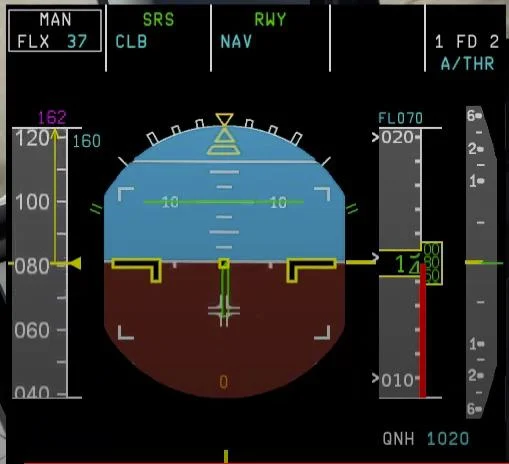
Reflection promptKey note: On Airbus, advancing thrust levers to TOGA or FLEX not only sets thrust, it also arms the autothrust and engages SRS and runway guidance modes on the FMA — this is confirmed visually on the PFD
After Take-Off
400 ft AGL:
PF turns left or right (depending on circuit)
PF hands control to Captain:
PF: “You have control”
Captain: “I have control”
Student makes PA
PA practice (real airline style):
Reflection prompt“Good morning ladies and gentlemen, this is your captain speaking. My name is [Name]. We will be flying to [Destination]. Flight time is approximately [00:00]. We wish you a pleasant journey.”
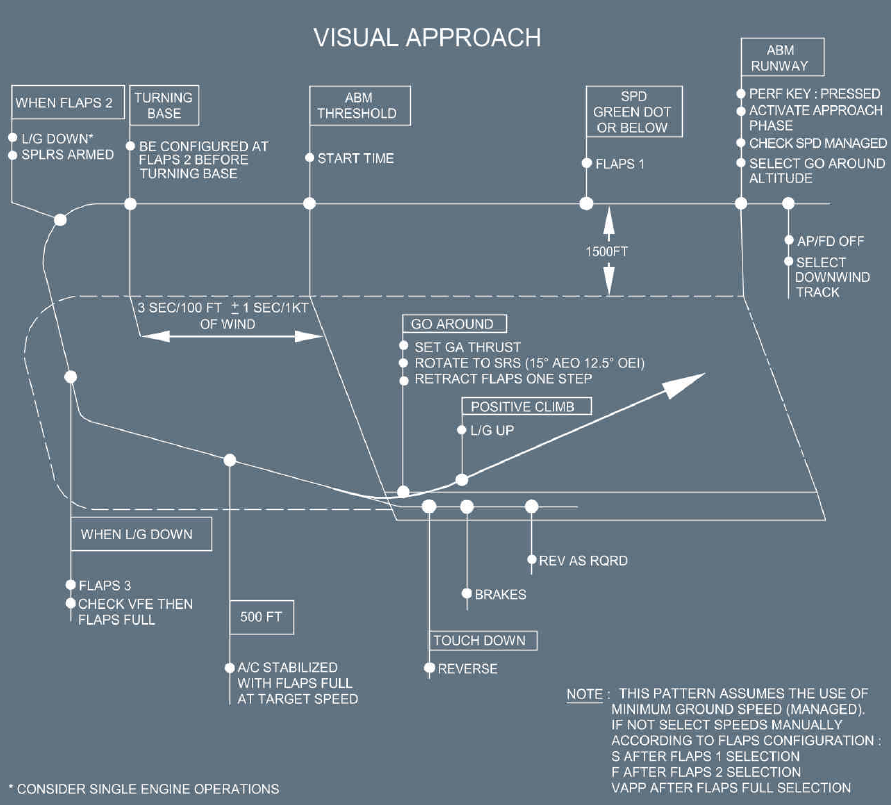
Downwind & Base Leg
Fly parallel to runway (Time ~30 seconds from threshold)
Start gentle descent: ~500 ft/min
Maintain stable speed and attitude
Anticipate turns — don’t chase the instruments
Final Turn & Landing Setup
30° bank turn towards runway
Gear down
Flaps FULL
Ask Training Captain for Landing checklist
PAPI Reference
2 red / 2 white → On glide
4 red → Too low
4 white → Too high
Final Approach & Flare (Most Important Part)
Target descent: ~800 ft/min when stable on glide
Visual aim point: runway between your legs
Use the yoke for left/right, thrust for glide
At 50–20 ft Callouts
Key tips:
❌ Don’t pull back aggressively
❌ Never push the aircraft onto the runway
✅ Small, smooth corrections
✅ Anticipate — avoid pilot-induced oscillation
This is a full-motion Level-D simulator — the same standard used for airline checks. It’s extremely expensive, extremely realistic, and rewards calm, precise flying.
The Captain will coach you:👉 “More… less… hold it… ease it…”
Why This Experience Matters
Most people never touch a real airliner control. Here, you learn:
Airline flows
Crew discipline
Energy management
How real pilots think, not just fly
This is not a game. This is how airline pilots are trained.