HKPAPA Explore
Aviation insight, practical guides and real stories to support every step of your journey.

Featured now
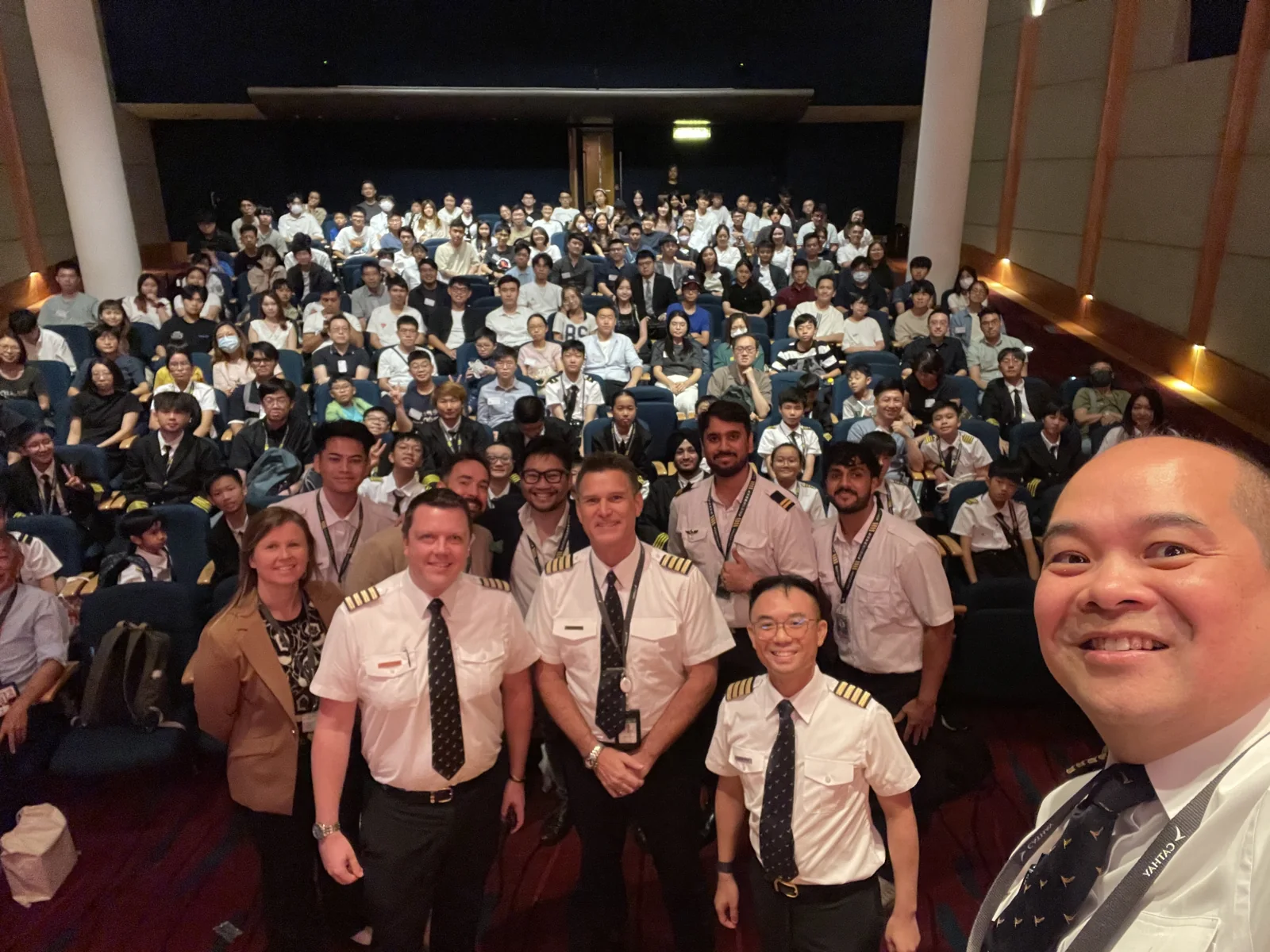
Behind the Kai Tak Centenary Fly-Past: HKPAPA × HONCAP Meet the Four Captains
HKPAPA and HONCAP brought young aviation enthusiasts together with the four captains behind CX8100, with Cathay Pacific Airways as venue and event sponsor.
Read article
Aviation Youth Day (Hong Kong): Inspiring Future Aviators
Read article
Women in Aviation: seeing a future in the flight deck
Read article
Exclusive Access Behind Hong Kong International Airport — HKPAPA Student Pilots Join Professional Exchange
Read article
Useful Safety Reporting: How to Write a Report That Helps
Read articleLatest from HKPAPA
View all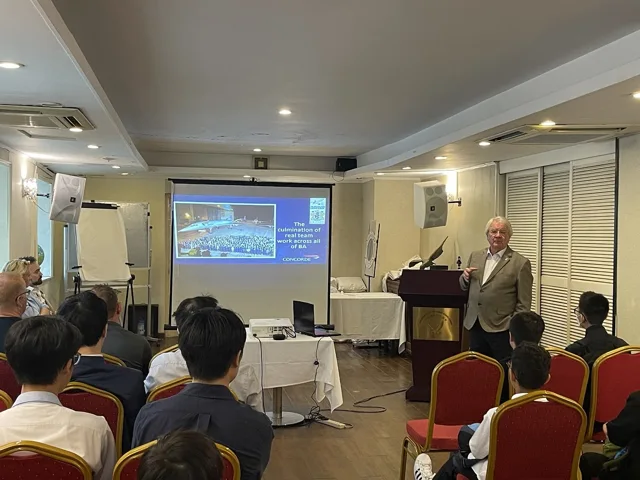
Concorde Chief Pilot Mike Bannister Inspires Young Aviation Enthusiasts in Hong Kong
Read article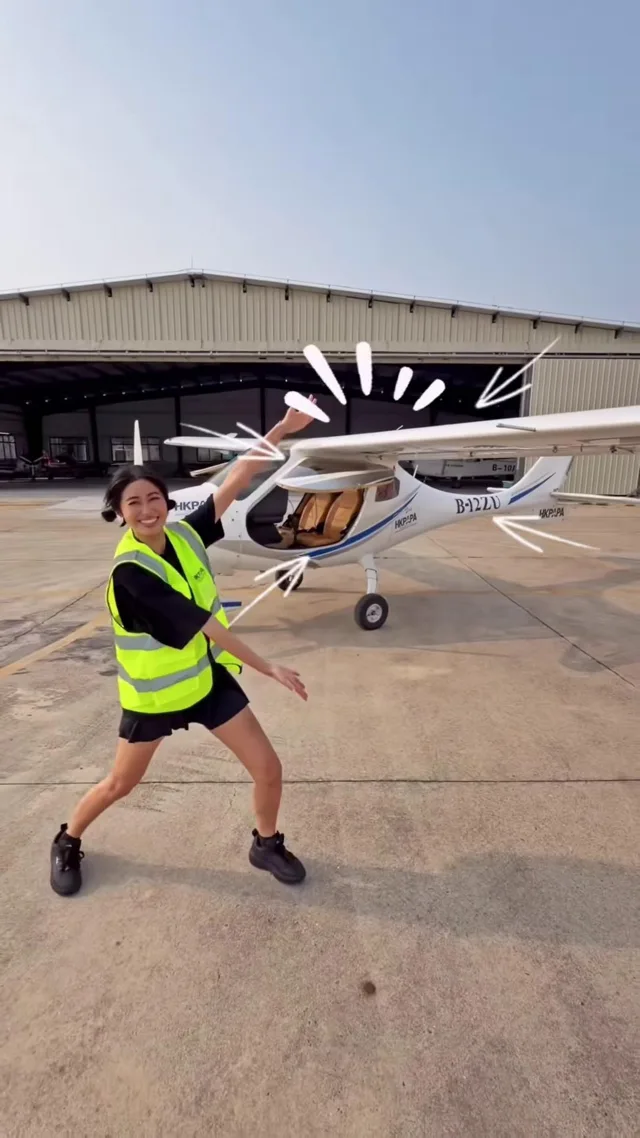
Lukian Wang Flies with HKPAPA: From TVB’s Beautiful Cooking to the Cockpit
Read article
Sukie Chung’s Flight Experience with HKPAPA: A Memory Shared with Gracie
Read article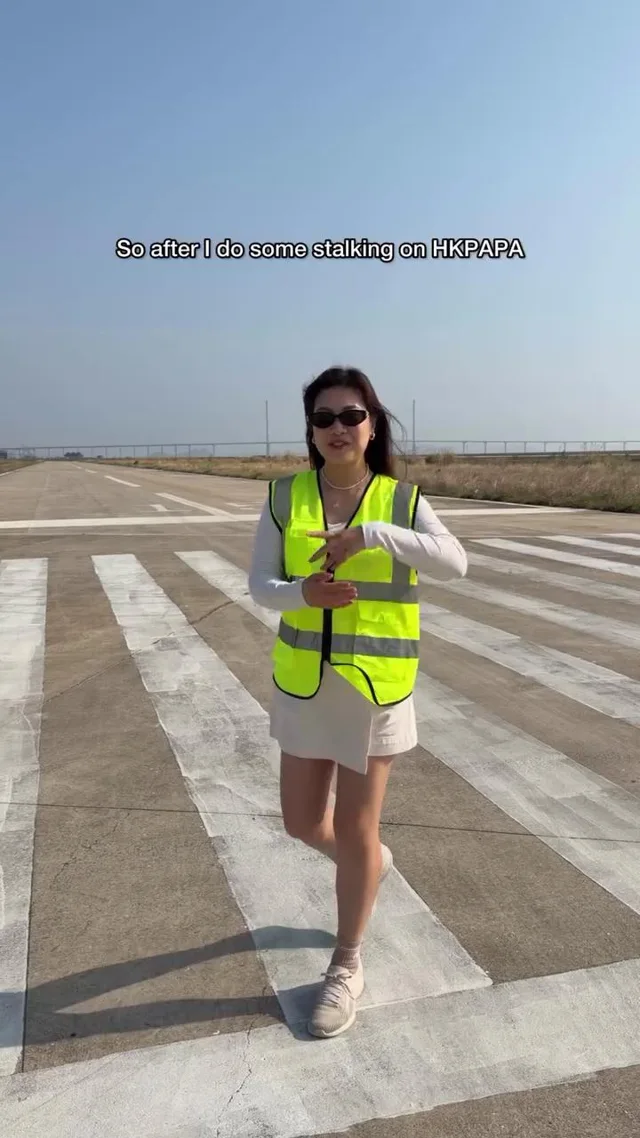
Abigail Chin (Abbie) Flies with HKPAPA: A Creator’s View from the Cockpit
Read article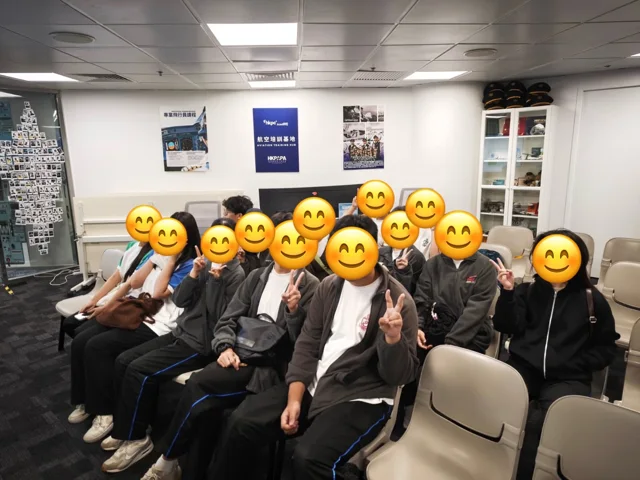
Two Schools Explore Aviation with HKPAPA and Inspire Education Association
Read articleGuides & tools
Clarify the question, compare your options and take a useful next step.

How does a jet engine work? A 3D preview
Explore core and bypass airflow, then continue the full lesson in AAP or Cadet Ground School.
Explore the engine →GuideHow to become a pilot from Hong Kong
A decision-first route from first flight and medical checks to licence training, cadet selection and professional development.
Open guide GuideSPL, PPL, CPL, MPL and ATPL: choose the licence by outcome
Understand the purpose of common pilot licences and why authority, privileges, conversion and employment matter more than the headline hours.
Open guide GuideBuild a realistic flight-training budget
Plan tuition, flying hours, travel, accommodation, examinations, equipment, conversion and a delay contingency before paying a deposit.
Open guide ToolPilot training budget calculator
Build base, realistic and stress-case totals for training, extra hours, travel, accommodation, fees and contingency.
Use tool ToolJet lag and sleep opportunity planner
Compare home and destination time, protected sleep opportunities and a simple adaptation plan.
Use tool ToolHong Kong crew commute and rent planner
Compare editable travel-time, buffer and indicative asking-rent bands for common airport-worker locations.
Use toolFlight training
Practical routes from a first flight and licence choice to better lesson preparation.
Self-Funded Flight Training: Review the Plan Before You Pay
Read articleUK CAA vs EASA vs FAA vs CASA: Choosing a Pilot Licence Path
Read articlePilot Licences Explained: SPL, PPL, CPL, ME/IR and MPL
Read articleHow to Become a Pilot: Start with a Discovery Flight
Read articleCadet & crew careers
Prepare for airline selection, professional development and better career decisions.
Aircraft System Messages: Build the Picture Before the Answer
Read articleWeather Ahead: What a Cruise-Relief Pilot Should Watch
Read articleHigh-Altitude Performance: What Second Officers Should Notice
Read articleHow Second Officers Can Contribute Without Overstepping
Read articleFrom HKPAPA
School partnerships, event highlights, media coverage and community achievements.
Concorde Chief Pilot Mike Bannister Inspires Young Aviation Enthusiasts in Hong Kong
Read articleLukian Wang Flies with HKPAPA: From TVB’s Beautiful Cooking to the Cockpit
Read articleSukie Chung’s Flight Experience with HKPAPA: A Memory Shared with Gracie
Read articleAbigail Chin (Abbie) Flies with HKPAPA: A Creator’s View from the Cockpit
Read articleTwo Schools Explore Aviation with HKPAPA and Inspire Education Association
Read articleWhere are you in your aviation journey?
Go directly to the guides, tools and articles most relevant to your goal.
Search results
Results filter instantly on your device. Search terms are not sent to analytics.
Airline cadet pilot programme directory
Compare 14 airline pathways, entry requirements, funding and selection stages, then plan your preparation.
Compare airlines →How does a jet engine work? A 3D preview
Explore core and bypass airflow, then continue the full lesson in AAP or Cadet Ground School.
Explore the engine →Cadet assessment preparation
Free test guides and practice included with all three Cadet courses.
Open guide →How to become a pilot from Hong Kong
A decision-first route from first flight and medical checks to licence training, cadet selection and professional development.
Open guide →SPL, PPL, CPL, MPL and ATPL: choose the licence by outcome
Understand the purpose of common pilot licences and why authority, privileges, conversion and employment matter more than the headline hours.
Open guide →Build a realistic flight-training budget
Plan tuition, flying hours, travel, accommodation, examinations, equipment, conversion and a delay contingency before paying a deposit.
Open guide →How to compare flight schools before enrolling
A practical due-diligence checklist covering approval, aircraft and instructor availability, total cost, safety culture and licence usability.
Open guide →Prepare for a pilot medical without guessing the result
Understand why the correct medical class and complete health history should be addressed early with an approved examiner.
Open guide →Prepare for a flight lesson and use paid time well
A repeatable pre-lesson routine for objectives, aircraft knowledge, chair-flying, questions, rest and post-flight review.
Open guide →Build a cadet-pilot application roadmap
Turn current eligibility, evidence, airline research and selection preparation into a controlled application plan.
Open guide →Write a pilot CV and cover letter that are easy to verify
Put eligibility, qualifications and relevant evidence where a recruiter can find and check them quickly.
Open guide →Prepare for a pilot interview with evidence, not scripts
Build truthful examples, concise answer structure, airline knowledge and a feedback loop for interviews and group assessments.
Open guide →Airline crew moving to Hong Kong: a practical first checklist
Plan documents, housing, airport transport, banking, communications, medical administration and roster resilience before relocating.
Open guide →Where airline crew live in Hong Kong
Compare Tung Chung, Tuen Mun, Tsuen Wan, Tsing Yi and urban options by airport access, housing trade-offs and roster resilience.
Open guide →Plan a resilient commute to Hong Kong International Airport
Test normal, early, late and disrupted journeys instead of relying on a single daytime travel estimate.
Open guide →A practical briefing and debriefing framework for flight instructors
Keep the lesson objective, observable standard, decision points, learner participation and next action visible.
Open guide →Pilot training budget calculator
Build base, realistic and stress-case totals for training, extra hours, travel, accommodation, fees and contingency.
Use tool →Jet lag and sleep opportunity planner
Compare home and destination time, protected sleep opportunities and a simple adaptation plan.
Use tool →Hong Kong crew commute and rent planner
Compare editable travel-time, buffer and indicative asking-rent bands for common airport-worker locations.
Use tool →Cadet application readiness self-check
Organise verified eligibility, documents, airline research, evidence examples and preparation gaps.
Use tool →Flight-planning practice calculator
Practise time, distance, groundspeed and user-entered fuel calculations with an explicit reserve assumption.
Use tool →Flight-duty reference worksheet
Lay out report, sectors, acclimatisation, extensions, rest and operator-rule references without declaring legality.
Use tool →Cathay Pacific
A sponsored route from no flying experience to commercial pilot training, built around a career with an airline based in Hong Kong.
Open guide →Singapore Airlines
An ab initio pathway through Singapore Flying College, followed by further training towards a First Officer role.
Open guide →Air India
A structured commercial-licence and type-rating route through Air India’s academy and partner training schools.
Open guide →IndiGo
A partner-school cadet pathway from initial flight training towards commercial Airbus flying.
Open guide →British Airways
British Airways’ funded initial pilot-training route, recruited through an annual selection campaign.
Open guide →Ryanair
A mentored pilot-training pathway with different entry gateways, including a route for little or no flying experience.
Open guide →Wizz Air
An integrated beginner pilot pathway with initial training followed by airline-specific preparation.
Open guide →easyJet
Airline-linked beginner pathways include MPL training and an integrated ATPL route with type rating.
Open guide →Air France
A cadet selection route for applicants with little or no experience, with dedicated academic and language entry criteria.
Open guide →Emirates
An Emirati cadet route through Emirates Flight Training Academy, starting from zero flight hours.
Open guide →Qatar Airways
A national scholarship pathway with explicit nationality, guarantor and service conditions.
Open guide →Etihad Airways
A UAE-national development programme described by Etihad as a two-year route towards a Second Officer role.
Open guide →Southwest Airlines
A beginner pathway combining flight training and experience building towards a possible Southwest First Officer career.
Open guide →JetBlue
A structured training and instructor-experience pathway leading towards JetBlue First Officer new-hire training.
Open guide →Concorde Chief Pilot Mike Bannister Inspires Young Aviation Enthusiasts in Hong Kong
HKPAPA and HONCAP jointly hosted a talk with Captain Mike Bannister, former British Airways Chief Concorde Pilot, bringing young members face to face with stories from the supersonic flight deck.
Read article →Lukian Wang Flies with HKPAPA: From TVB’s Beautiful Cooking to the Cockpit
Hong Kong model and content creator Lukian Wang, known to TVB audiences as “Spring Roll” from Beautiful Cooking, joins HKPAPA for a flight experience with her own unmistakable sense of humour.
Read article →Sukie Chung’s Flight Experience with HKPAPA: A Memory Shared with Gracie
Sukie shares a day of discovery, friendship and cockpit moments in her own Instagram reel.
Read article →Abigail Chin (Abbie) Flies with HKPAPA: A Creator’s View from the Cockpit
Hong Kong-based lifestyle creator, entrepreneur and former corporate interior designer Abigail Chin brings her curiosity to a new setting: a flight experience with HKPAPA.
Read article →Two Schools Explore Aviation with HKPAPA and Inspire Education Association
Students from S.K.H. St. Simon’s Lui Ming Choi Secondary School and ELCHK Lutheran Academy explored aviation through professional sharing, interactive activities and flight simulation.
Read article →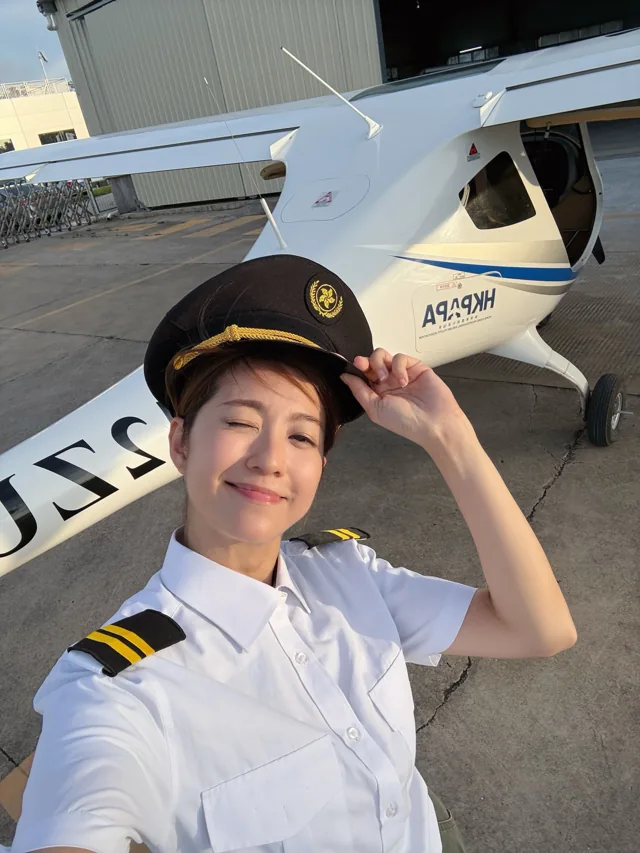
Yoyo Chen Flies with HKPAPA: Meet “Captain Yo”
From the screen to the cockpit: Yoyo Chen joined us for a flight experience that turned a personal wish into a memory above the clouds.
Read article →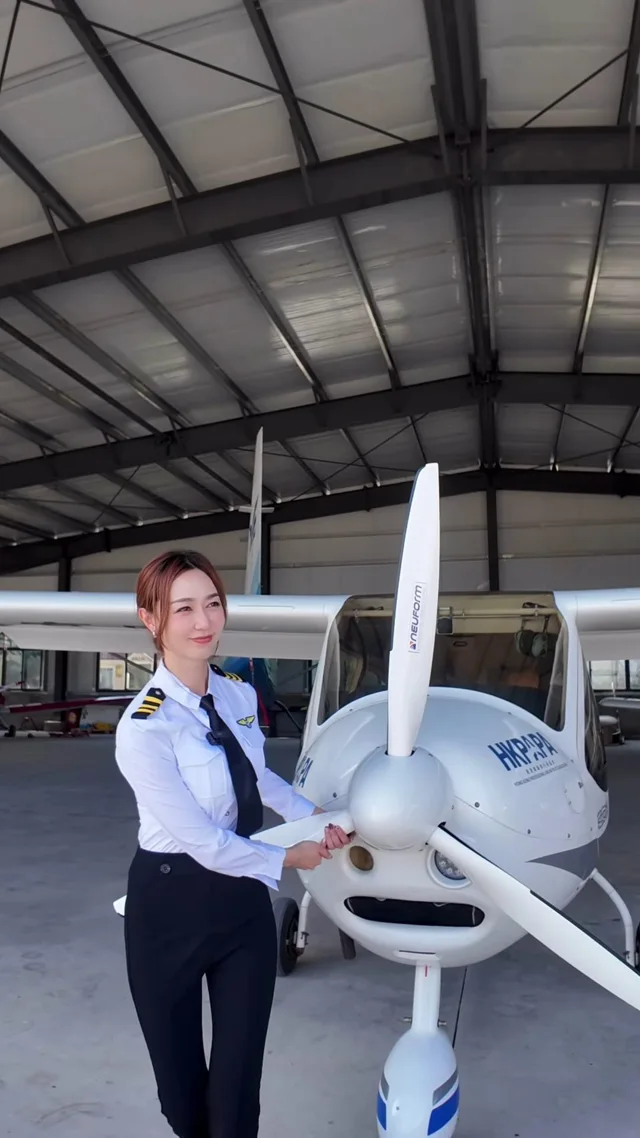
Carmaney Wong Flies with HKPAPA: A Dream Takes Flight
From an on-screen inspiration to a real cockpit: Carmaney Wong shares her flight experience with HKPAPA in a film she edited herself.
Read article →
HKPAPA × TVB: Yaya’s Aviation Dream in Next Gen: Growing With AI
With hosts Louisa Mak and Patrick Sir, Winki Lai and her son Yaya explore a childhood ambition — and the encouragement that helps it grow.
Read article →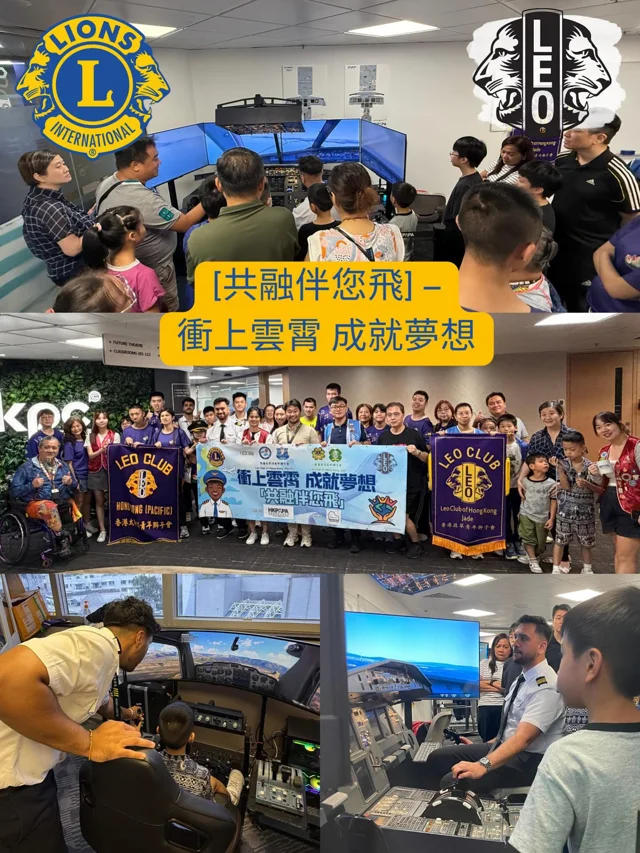
Flying Together: HKPAPA Supports an Inclusive Aviation Experience
Through flight simulation and career sharing, 25 participants explored aviation in a community event built around inclusion and curiosity.
Read article →
Zoie Tam Flies with HKPAPA: A New Experience for “Captain Zoie”
A new view from the cockpit, and a new appreciation of what flying involves. Zoie Tam shares her memorable flight experience with HKPAPA.
Read article →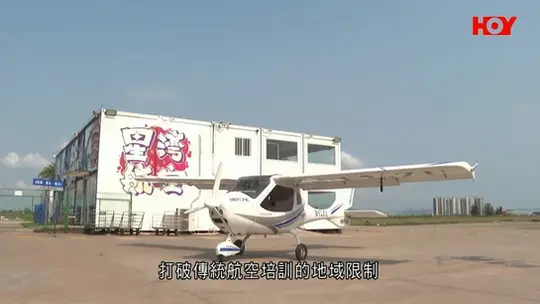 Pinned
From curiosity to the cockpit: HKPAPA on HOY TV’s 主播視角
A first-hand look at flying, learning and the people helping the next generation discover aviation.
Read article → Pinned
Behind the Kai Tak Centenary Fly-Past: HKPAPA × HONCAP Meet the Four Captains
HKPAPA and HONCAP brought young aviation enthusiasts together with the four captains behind CX8100, with Cathay Pacific Airways as venue and event sponsor.
Read article →PinnedWomen in Aviation: seeing a future in the flight deck
Explore HKPAPA’s Women in Aviation initiative through seven short videos, participant reflections and a focus on visibility, mentorship and community.
Read article →
Beyond the Cockpit: HKPAPA and EDB Bring Aviation Learning to 40 University Students
HKPAPA and the Education Bureau hosted a course for 40 university students as part of Applied Learning (ApL), exploring aviation, piloting, engineering, services, space and technology.
Read article →
From Briefing Room to Flight Deck: HKU SPACE Piloting Students Visit HKPAPA
HKU SPACE Piloting course students joined HKPAPA for a hands-on taster day, moving from classroom briefings to the flight simulator while exploring how pilots think, communicate and work together.
Read article →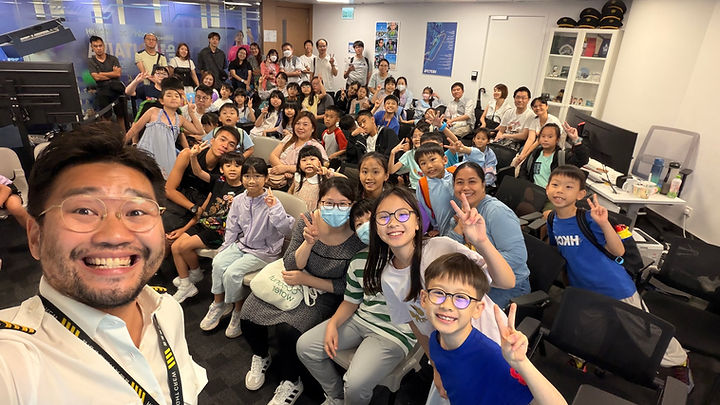
More Than 1,000 Young People Discover Aviation at HKPC Academy Summer TechEd Fest 2026
Across two full days, HKPAPA sponsored 10 aviation workshops at HKPC Academy’s Summer TechEd Fest 2026, giving more than 1,000 children and young people an accessible first encounter with flight simulation, professional pilots and aviation pathways.
Read article →
Over 100 Greater Bay Area Students Begin Hong Kong Aviation Study Visit at HKPAPA
More than 100 students from across the Guangdong–Hong Kong–Macao Greater Bay Area began a two-day Hong Kong study visit at HKPAPA’s Kowloon Tong training centre, meeting volunteer pilots and exploring pilot training, Hong Kong’s aviation-hub role and opportunities across the region.
Read article →Self-Funded Flight Training: Review the Plan Before You Pay
A self-funded course transfers much of the financial and career risk to the student. Before paying, verify the medical, school approval, realistic total cost, training continuity, contract, licence portability and connection to your intended employers.
Read article →UK CAA vs EASA vs FAA vs CASA: Choosing a Pilot Licence Path
Choose a licensing authority by intended employment, work rights and conversion risk—not by the smallest headline hour number. Europe can recruit suitable low-hour graduates, the US normally requires an ATP or restricted ATP, and Australia has separate licence and airline hiring thresholds.
Read article →Pilot Licences Explained: SPL, PPL, CPL, ME/IR and MPL
A training captain's briefing on pilot licences: what SPL, PPL, CPL and MPL actually let you do, why ME/IR are ratings rather than licences, and how to plan the route before you pay for the wrong course.
Read article →How to Become a Pilot: Start with a Discovery Flight
Becoming a pilot starts with evidence, not a large deposit. Clarify the kind of flying you want, check your medical eligibility and take a Discovery Flight before committing to a school, country or licence pathway.
Read article →Aircraft System Messages: Build the Picture Before the Answer
When an aircraft message appears, useful support begins with disciplined observation: what changed, which indications agree, what phase and threats matter, and which approved procedure applies. A second officer should help organise evidence—not guess at hidden failures or race ahead of the checklist.
Read article →Weather Ahead: What a Cruise-Relief Pilot Should Watch
Useful weather monitoring looks forward. A cruise-relief pilot should connect radar returns, forecasts, reports, winds and destination trends to the route and available options—then communicate what changes the plan, rather than reading every weather product aloud.
Read article →High-Altitude Performance: What Second Officers Should Notice
At high altitude, speed margins, thrust capability and manoeuvring performance can be less forgiving than the calm cruise suggests. Second officers should understand how weight, temperature, turbulence, altitude and system status affect the aeroplane—then use type-specific data rather than generic rules of thumb.
Read article →How Second Officers Can Contribute Without Overstepping
A strong second officer is neither silent nor intrusive. The skill is to notice what matters, choose the right moment, communicate concisely and respect the operating crew’s task division. Clear intervention supports authority; unnecessary commentary competes with it.
Read article →Fuel Monitoring for Second Officers: Look Beyond the Total
A fuel total is only the starting point. Good cruise monitoring compares actual fuel with the plan, watches burn and balance trends, understands the assumptions behind destination and diversion options, and raises an unexplained difference early enough for the crew to investigate calmly.
Read article →Terrain Escape Awareness for Second Officers: Know Where the Mountains Are
A second officer should know when high terrain becomes operationally important, which sectors deserve extra attention and where the approved escape information lives. The goal is not to memorise a generic manoeuvre, but to recognise the threat early and support the operating crew with the correct source.
Read article →Returning From Rest: Rebuild the Flight Picture Quickly
After in-flight rest, do not assume the flight is the one you left. A disciplined re-entry briefing should rebuild position, flight path, fuel, weather, technical status, operational changes and the next expected workload—then allow enough time for alertness to recover before demanding duties.
Read article →ATC Callsign Confusion: A Second Officer’s Listening Discipline
Similar callsigns, expectation bias and blocked transmissions can make a clearance sound as though it belongs to your aircraft. A second officer adds real safety value by listening for the complete callsign, checking the clearance against the flight picture and speaking up immediately when something does not fit.
Read article →Think Like a First Officer Before Your JFO Upgrade
Preparing for a junior first officer upgrade starts long before the course. During every descent and arrival, follow the operating crew’s preparation, build your own plan, predict the next workload peak and compare your thinking with what actually happens—without interfering with the active crew.
Read article →Cruise Monitoring Is Not Passive: A Guide for Second Officers
Quiet cruise is not empty time. Effective second officers continuously maintain the operational picture: aircraft state, flight path, fuel, weather, traffic, communications and what will matter next. The aim is calm trend monitoring—not staring at one display or searching for problems that are not there.
Read article →Why the Boeing 777X Could Be a Game Changer
The 777X combines a very large twin-engine cabin with a high-span composite wing, folding wingtips, the GE9X engine and an updated flight deck. Its potential is significant—but it must complete certification and prove its economics and reliability in airline service.
Read article →How the A320 Became the World’s Most Popular Single-Aisle Aircraft
The A320 Family became a global success by combining a pioneering digital flight deck with family commonality, useful variants, continuous efficiency improvements and an enormous support network. Its popularity is less about one breakthrough than four decades of practical evolution.
Read article →Why Low-Cost Airlines Often Operate a Single Fleet
A single aircraft family can lower training, maintenance, spares and scheduling complexity—exactly the costs a low-cost carrier tries to control. It is a powerful model, although not every low-cost airline uses only one type and commonality never removes the need for operational discipline.
Read article →
How Aircraft Can Land During a Typhoon
Aircraft do not receive blanket permission to land simply because an airport remains open during a typhoon. Crews and operators assess the actual wind, gusts, windshear, visibility, runway condition and aircraft limits; if the approach is not safe and stable, the correct outcome is a go-around or diversion.
Read article →
How Jet Engines Became So Reliable
Modern jet engines are reliable because aviation treats reliability as a continuously managed system: demanding certification tests, conservative design, real-time condition monitoring, disciplined maintenance and fleet-wide learning all reinforce one another.
Read article →
Why the Airbus A350 Is Such a High-Tech Aircraft
The A350’s technology is not one spectacular gadget. It is the integration of a carbon-fibre airframe, efficient wing and engines, digital flight deck, networked avionics, health monitoring and a passenger-focused cabin into one long-range aircraft.
Read article →
Five Aviation Activities Families Can Do at Home
You do not need a cockpit or expensive kit to explore flight. Build and test paper aircraft, keep a sky-observation log, decode a simple weather report, design an airport on paper and investigate one aircraft journey. The learning comes from predicting, observing, changing one variable and explaining the result.
Read article →Parenting an Ambitious Young Aviator Without Adding Pressure
Support the person before the ambition. Provide stable encouragement, realistic information and opportunities to explore, while keeping sleep, school, friendships and the freedom to change direction intact. Ask about effort and learning more often than rank, selection or future job title.
Read article →Study Smarter: Retrieval, Spacing and Reflection
Re-reading can feel fluent without proving recall. A stronger study cycle is to retrieve key ideas without notes, check the gaps, revisit them after increasing intervals and explain how the knowledge would guide a decision. Short, spaced sessions usually beat one exhausted cram.
Read article →How HKPAPA Teaches Future and Student Pilots
Good aviation education connects knowledge to decisions. HKPAPA’s teaching approach uses clear objectives, authentic scenarios, guided practice, feedback and reflection so learners can explain not only what to do, but why, when and with which limits.
Read article →Airline Pilot Interview Tips: Prepare Evidence, Not Scripts
Interviewers need to see how you think, communicate and learn—not how accurately you memorised a model answer. Build a bank of truthful examples, know the airline and role, practise concise structure and be ready to discuss mistakes without blame or theatre.
Read article →How to Build a Young Person’s Passion for Aviation
Passion grows through repeated experiences of curiosity, choice, progress and belonging. Let a young person explore different parts of aviation, give them real but manageable challenges, connect them with supportive role models and avoid turning every interest into a career decision.
Read article →Preparing for Group Exercises and Simulator Assessments
In group and simulator assessments, do not try to look like the captain. Demonstrate safe, learnable behaviour: listen, share relevant information, manage workload, support a plan, speak up when risk changes and accept coaching. The objective is effective team performance under the stated task—not theatrical dominance.
Read article →How to Write a Better Cadet-Pilot Cover Letter
A useful cover letter answers three questions: why this airline and programme, why you meet the stated requirements, and which two or three experiences best predict your contribution. Research precisely, connect evidence to the role and end with a clear, professional close—without repeating the entire CV.
Read article →How to Improve Your Pilot CV
A strong pilot CV is easy to verify in under a minute. Put eligibility and aviation qualifications where they can be found, use reverse chronology, quantify relevant experience, explain gaps honestly and remove decoration that competes with evidence. Tailor the document to the current vacancy without changing the truth.
Read article →Preparing for Your First Solo
First solo readiness is not measured by excitement or a fixed number of hours. Your instructor must be satisfied that you can operate the aircraft safely for the intended flight: consistent circuits, sound judgement, correct procedures, go-arounds and recovery from common variations—within the applicable authorisation and supervision.
Read article →How to Start Building an Airline-Pilot Career
Start with eligibility and evidence, not a fantasy timeline. Check current airline requirements, protect medical and financial options, build relevant knowledge and experiences, and keep a decision log for each training route. The best first step is one that preserves future choices while proving sustained motivation.
Read article →How to Fly a Consistent Circuit
A consistent circuit comes from stable reference points, disciplined lookout and early correction—not from forcing every leg to match a perfect picture. Brief the local pattern, fly attitude and speed accurately, anticipate wind drift and preserve a clear go-around option.
Read article →How to Choose a Flight School and a Licence You Can Actually Use
Choose the licence first, then the school. Start with where you intend to fly, live or work; confirm who will issue the licence, what privileges it grants and how validation or conversion works elsewhere. Only then compare schools on approvals, aircraft availability, instructor continuity, safety culture, completion cost and graduate evidence.
Read article →Read This Before Your Next Lesson and Save Money
The cheapest flying hour is the one you do not waste getting ready. Confirm the lesson objective, study the aircraft and exercise, chair-fly the sequence, prepare questions and arrive rested with documents complete. Better preparation cannot remove the need for flight time, but it can make each paid minute more productive.
Read article →Attitude, Power and Trim: A Simple Flying Technique
For many basic flight changes, a useful sequence is attitude, power, then trim: set the aircraft’s picture, use power to support the desired performance and remove sustained control pressure only after the flight path begins to stabilise. It is a thinking framework—not a substitute for the aircraft’s approved technique or your instructor.
Read article →Using a Home Flight Simulator Without Learning Bad Habits
A home simulator is excellent for procedures, navigation, radio rehearsal and cockpit flow—but weak at reproducing control forces, peripheral cues and real-world risk. Decide the learning objective before loading the simulator, practise with an instructor-approved method and never claim training credit unless the device and session meet the applicable rules.
Read article →Work Backwards from the Skills Test
Do not wait until the end of training to discover what competent performance looks like. Obtain the current test standard for your licence, turn each assessed item into observable practice goals and use every lesson to close a named gap—without turning the course into rote ‘test tricks’.
Read article →London Heathrow: Holding Stacks and Callsign-Only Instructions
Heathrow arrivals can move from published holding to tightly sequenced vectoring with little spare radio time. When ATC instructs a transfer “with callsign only”, make the new-frequency call exactly as instructed and remain ready for an immediate heading, level or speed clearance. Brevity works only when the crew is already ahead.
Read article →Global Hotspot Airports: A Better Threat-Briefing Method
A ‘hotspot airport’ is not just a famous list of difficult destinations. The useful question is which threats are active today: runway geometry, terrain, weather, language, traffic flow, navigation capability, taxi complexity or operator restrictions. Build a short, evidence-based brief with triggers and actions.
Read article →Flying in the United States: Phraseology That May Feel Different
US ATC is standardised within the FAA system, but some phrases, services and traffic-pattern terms differ from ICAO usage familiar elsewhere. Prepare from the current FAA AIM and Pilot/Controller Glossary, listen before transmitting and ask plain-language questions whenever a clearance is not completely understood.
Read article →Paris CDG: Protecting Situational Awareness in a Bilingual ATC Environment
At Paris Charles de Gaulle, international crews may hear some transmissions in French and therefore lose part of the traffic picture. Treat that as a predictable threat: brief the language environment, monitor every call addressed to you, verify ambiguous clearances and rebuild situational awareness from charts, displays and both pilots—not from overheard traffic alone.
Read article →Why Aircraft Leave Contrails
Contrails are line-shaped ice clouds that can form when hot, moist jet exhaust mixes with very cold air at cruise altitude. Whether a trail vanishes quickly or persists depends mainly on the surrounding temperature and humidity—not simply on what the aircraft looks like from the ground.
Read article →Why Flight Recorders Are Bright Orange
The devices popularly called “black boxes” are usually painted a highly visible orange or yellow so investigators can find them more easily in wreckage. They are crash-protected recorders, commonly paired as a cockpit voice recorder and a flight data recorder, with locator equipment for overwater recovery.
Read article →Why Aircraft Windows Are Rounded
Rounded aircraft windows help loads flow around the opening more smoothly. Sharp corners create stress concentrations, and repeated cabin-pressurisation cycles can turn those local stresses into fatigue damage. Modern oval shapes are one visible lesson from early jet-airliner history.
Read article →Why Window Blinds Are Open for Take-off and Landing
Many airlines ask passengers to open window blinds for take-off and landing so the cabin has a clearer view outside during the most time-critical phases. It can help crew and passengers identify hazards, choose a usable exit and adjust more quickly to outside light. The exact policy varies by operator.
Read article →Why Cabin Lights Are Dimmed for Take-off and Landing
Cabin lighting may be dimmed for a night take-off or landing so occupants’ vision is better matched to the darker outside environment and illuminated signs or floor-level guidance are easier to recognise. It is a precautionary cabin set-up; the precise procedure varies by aircraft and airline.
Read article →What “Disarm Doors and Cross-Check” Means
After arrival, “disarm doors and cross-check” means cabin crew return assigned exits to their normal opening configuration, then independently verify the change. The aim is to prevent an evacuation slide deploying when a door is opened at the stand.
Read article →What “Arm Doors and Cross-Check” Means
Before departure, “arm doors and cross-check” means cabin crew configure assigned exits so an emergency slide or slide-raft is ready to deploy when the door opens, then independently verify one another’s work. It is a disciplined safety check—not a signal that anything is wrong.
Read article →Useful Safety Reporting: How to Write a Report That Helps
A useful safety report is timely, factual and specific enough for someone else to understand the risk. Describe what happened, the operating context, the defences that worked or failed and any immediate action—without diagnosing motives or hiding your own decisions. Just culture protects honest reporting while preserving accountability for defined unacceptable conduct.
Read article →
After an Aircraft Accident: A Pilot’s Immediate Priorities
In an accident, life safety and emergency response come first. Follow the aircraft and operator emergency procedures, assist evacuation and survival within your capability, notify through the required channels, protect the site and evidence from unnecessary disturbance, and make no public statement beyond authorised factual communication.
Read article →
After an Aviation Incident: A Pilot’s First Practical Steps
After an incident, protect people and the aircraft first, complete required notifications, preserve factual evidence and use the operator’s reporting and support channels. Avoid speculation, social media and informal reconstruction while memories and records may become part of a safety, regulatory or company process.
Read article →
Preparing for Command Upgrade: Think Beyond the Left Seat
Command upgrade is not simply proving that you can fly from the left seat. It is learning to create safe conditions for the whole operation: set standards, invite information, make timely decisions, manage people and commercial pressure, and accept responsibility when the convenient plan is no longer the safe one.
Read article →
Failed a Type Rating? What to Do Next
A failed type-rating event requires accurate process management, not panic. Obtain the formal result, identify the licensing and training consequences in the applicable jurisdiction, preserve your records, seek qualified instruction and representation, and rebuild the specific competencies before deciding the next career step.
Read article →
Failed a Line Check? A Practical Recovery Plan
An unsuccessful line check is serious, but it is not a complete judgement of your career. Stabilise first, obtain the formal evidence, understand the operator’s process, use representation or support where appropriate, prepare for the specific performance gaps and avoid public speculation while the matter is active.
Read article →
Recurrent Simulator Checks: Prepare for Competence, Not a Script
Recurrent checking is designed to confirm and strengthen operational competence, especially for events rarely encountered on the line. Refresh the current standard, practise core competencies, understand system effects, use CRM and avoid memorising a rumoured sequence that collapses when the scenario changes.
Read article →
Preparing for a Line Check: Demonstrate a Normal, Safe Operation
A line check is not a performance of special tricks; it is evidence that you can conduct a complete normal operation safely and consistently. Refresh the current manuals, prepare the route, use normal SOPs, manage threats openly and let sound decisions—not polish—demonstrate competence.
Read article →
Preparing for Line Training: A Practical First-Officer Guide
Line training is where technical knowledge becomes reliable airline behaviour. Arrive current on the operator’s procedures, prepare each sector, make your thinking visible, accept feedback without defensiveness and focus on safe, repeatable performance rather than trying to look fast.
Read article →
Your First 100 Sectors: How to Build Reliable Line Habits
Your first hundred sectors should build consistency, not a collection of shortcuts. Prepare the same way, use the SOP every time, keep small errors visible, ask for help early and review patterns across flights. Reliable habits create speed later; chasing speed first creates fragile performance.
Read article →
Stable Approaches and Go-Arounds: Make the Safe Decision Early
A go-around is a normal safety manoeuvre, not a failure. Know the operator’s stabilisation gates, build energy early, announce deterioration clearly and act when the criteria or landing conditions are not met. Delaying the decision trades prepared runway and fuel options for rapidly increasing risk.
Read article →
Oceanic and Remote Operations: Six Habits That Protect the Flight
Oceanic safety depends on preparation, redundancy and disciplined communication. Confirm approvals and equipment, verify the cleared route and coordinates, protect long-range navigation integrity, manage CPDLC and surveillance status, monitor fuel and weather, and brief contingencies before communication or navigation capability is lost.
Read article →
Preventing Level Busts: Six Flight-Deck Defences
Most altitude deviations begin before the aircraft crosses the cleared level: a clearance is misheard, the wrong altitude is set, a mode is misunderstood or attention is diverted. Use a closed-loop altitude routine, protect the final thousand feet, verbalise mode changes and stop the operation when the clearance or aircraft behaviour is unclear.
Read article →
Flying in Asian Airspace: Six Practical Habits
Asian airspace is operationally diverse: equipment mandates, route structures, surveillance, data link, weather and contingency arrangements can change markedly between FIRs. Build the flight from current State and regional sources, brief communication and weather threats, verify clearances carefully and retain an independent contingency picture.
Read article →
Flying in European Airspace: Six Practical Habits
European operations reward preparation, precise communication and disciplined management of rapid change. Use the current AIP and operator briefing, anticipate dense sector and frequency changes, verify every shortened clearance, protect altitude constraints and keep weather, alternates and fuel decisions ahead of the aircraft.
Read article →
GPS Spoofing: Recognise the Convincing Lie
Spoofing is dangerous because the receiver may accept false but credible-looking data. Treat unexpected position, time, ground-speed or navigation changes as a cross-check problem: protect the flight path, compare independent sources, identify affected systems, apply the approved procedure and communicate the remaining capability.
Read article →
GPS Jamming: A Practical Flight-Deck Response
GPS jamming normally denies or weakens satellite navigation signals; its effects can spread beyond the map to timing, surveillance and other dependent systems. Anticipate affected regions, cross-check independent sources, avoid chasing secondary messages, apply the aircraft procedure and tell ATC clearly what capability remains.
Read article →
Flying RNP AR Approaches: Discipline Before Descent
RNP AR approaches demand specific authorisation, aircraft capability, training and disciplined procedure use. Confirm every eligibility element before descent, retrieve the procedure unchanged from the current database, understand the required performance and missed approach, and never use an RNP AR procedure as a substitute for an ordinary approach.
Read article →
Flying RNP: What Line Pilots Must Monitor
RNP is not simply RNAV with a smaller number. Its defining protection is onboard performance monitoring and alerting. Confirm eligibility, load the approved procedure, verify the required value, monitor actual navigation performance and respond early if the system can no longer assure it.
Read article →
Flying RNAV: Six Practical Habits for Line Pilots
Safe RNAV flying is less about following a magenta line and more about disciplined verification. Confirm that the aircraft, crew and operation are eligible; load the correct procedure from a current database; compare it with the clearance and chart; monitor what the system is actually doing; and be ready to revert or advise ATC when capability degrades.
Read article →Inside our TVB Prime Time special: 1 million viewers watched an 8-year-old take the controls
Behind the scenes of the 30-minute TVB feature with Captain Steven and Winki Lai.
Read article →What age should my child start learning to fly?
A parent’s guide to age-appropriate aviation programmes, from first cockpit experiences to real flight training.
Read article →How to become a pilot in Hong Kong: the complete roadmap
From your first discovery flight to the airline flight deck — every step of the journey explained.
Read article →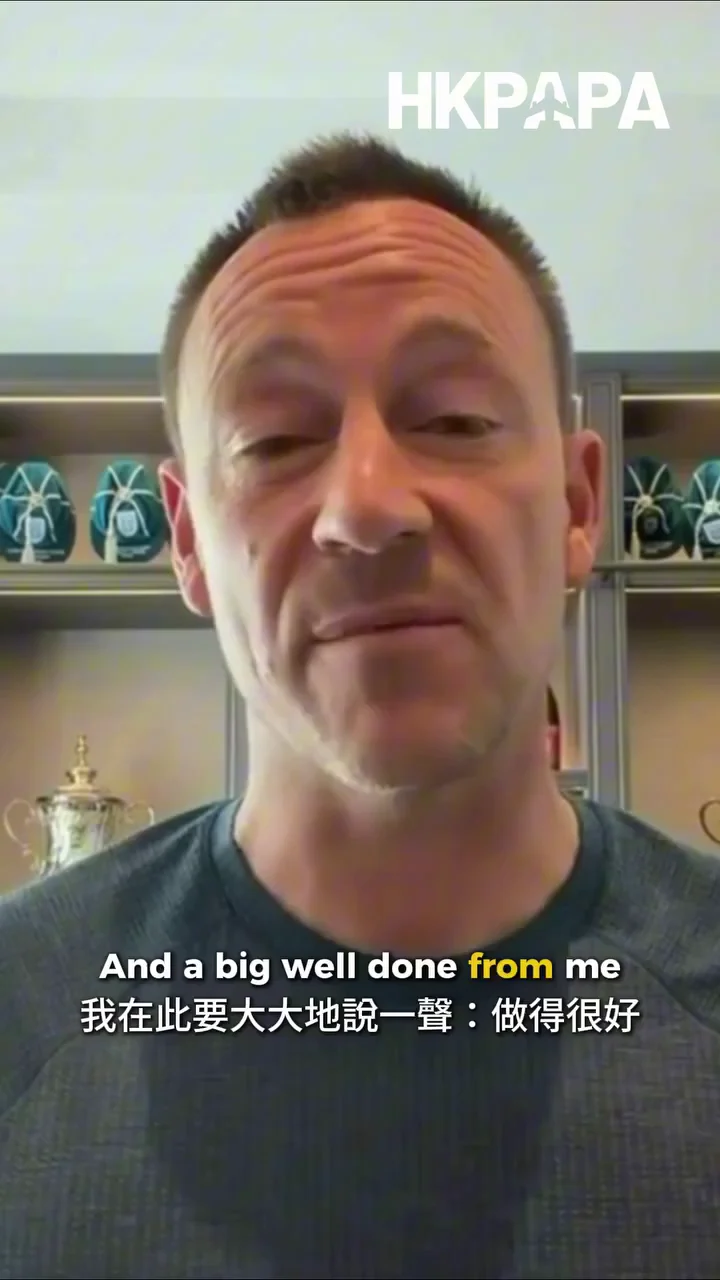
John Terry Congratulates HKPAPA’s AAP Graduates: A Message for Future Aviators
John Terry is a former Chelsea and England captain, widely recognised for his long career at the heart of Chelsea’s defence. He made 717 appearances for the club and later entered the Premier League Hall of Fame. That sporting background gives context to his message to HKPAPA graduates about persistence, commitment and the work behind achievement.
Read article →
Why Some Children Become Pilots — And Others Never Even Try
嘉諾撒小學航空講座|如何成為飛機師?HKPAPA分享未來航空職業發展與成功習慣
Read article →
Where Top Professionals Gather, the Longest Line is for Aviation: HKPAPA’s Flight Challenge Sees One-Hour Wait Times
In a career event teeming with over 200 students—ranging from top international schools to local powerhouses—the room was packed with lawyers, bankers, Big 4 professionals, and industry veterans. Yet, when the Hong Kong Professional Airline Pilots Association (HKPAPA) rolled in a flight simulator, the longest queue in the hall formed right in front of our booth. Some students waited over an hour just for a single shot at a landing. They weren’t there for a "game" or a photo op; they were...
Read article →
Top International School Students Step into Real-World Aviation: HKPAPA Hosts Elite Career Experience for Kellett
In Hong Kong, most students' "work experience" is often limited to passive observation and campus tours. But aviation has never been an industry where you can "just watch." Recently, the Hong Kong Professional Airline Pilots Association (HKPAPA) welcomed the Careers and Transition Team from Kellett School Hong Kong to our training center. Together, we designed a "Work Experience Week" that is fundamentally different—an immersive program where students step into the cockpit of the aviation...
Read article →
From Hong Kong to Europe: Czech Consul General Visits HKPAPA, Opening New Horizons for International Aviation Education
On March 20, 2026, the Hong Kong Professional Airline Pilots Association (HKPAPA) was deeply honored to host Her Excellency Ms. Klára Jurčová, Consul General of the Czech Republic in Hong Kong and Macau, for an official visit and exchange. This meeting was far more than a diplomatic courtesy; it was a profound dialogue centered on aviation education, international collaboration, and the future trajectory of the industry. At HKPAPA, we believe that high-value aviation education should never be...
Read article →
ESF enters the cockpit: HKPAPA reshapes student career exploration patterns
For many students, aviation is an industry brimming with allure. However, for most, their understanding of it remains on the surface—limited to airplanes, uniforms, and travel. The reality of the aviation world is far more professional than imagined, demanding high levels of discipline, judgment, and systems thinking. Recently, the Hong Kong Professional Airline Pilots Association (HKPAPA) organized an Aviation Discovery Day for students at Renaissance College (ESF). Our goal wasn't just to...
Read article →
The Invisible War in Our Skies: Inside the HKPAPA Expert Briefing on the Middle East Crisis
The Middle East is currently facing its most significant aviation disruption in recent memory. With shifting conflict zones and missiles in the air, the question for every traveler is simple: Is it still safe to fly? Following a recent expert interview on RTHK, the Hong Kong Professional Airline Pilots Association (HKPAPA) provided a technical briefing on the hidden realities of flying through a global crisis. We are pulling back the curtain on the professional maneuvers and safety protocols...
Read article →
Redefining the "Right Stuff": HKPAPA and Hand in Hand Association Prove that Resilience is the Ultimate Flight Skill
HONG KONG — January 20, 2026 — On January 17, the flight decks at the Hong Kong Professional Airline Pilots Association (HKPAPA) didn’t just hum with the sound of turbines—they echoed with the sights and sounds of boundaries being broken. In a unique collaboration with the Hand in Hand Association , HKPAPA hosted an immersive aviation day for children living with Synbrachydactyly (a condition where fingers are fused or shortened). The event was designed to move past traditional notions of...
Read article →
Insider Intel: The 2026 Definitive Guide to Pilot Earnings in Hong Kong's Cockpits
A Message to the HKPAPA Community and Future Aviators of HKIA. Fellow pilots and aspiring crew, welcome to the only guide you'll need on pilot compensation in Hong Kong. We're cutting through the noise to give you the clear numbers on the Total Remuneration Package (TRP) —the full picture that dictates lifestyle, family stability, and career longevity here in the 852. All figures are current estimates for 2025 and are presented in Hong Kong Dollars (HKD) . The Pilot Pay Hierarchy: Total...
Read article →Elevating Excellence: HKPAPA Hosts the Brightest Minds from CUHK
The Hong Kong Professional Airline Pilot Association (HKPAPA) recently concluded an elite aviation workshop for students from The Chinese University of Hong Kong (CUHK). This collaboration represents a powerful synergy between two of Hong Kong’s most prestigious institutions: a world-class university and the leading authority in professional pilot mentorship. As a university consistently ranked among the Top 10 in Asia and within the Top 40 globally (QS World University Rankings), CUHK...
Read article →
Inside the Cockpit with St. Paul’s Co-educational College
At St. Paul’s Co-educational College, selected students and families were given rare exposure to airline-level thinking through a closed-door aviation session. Beyond flying, the workshop focused on decision-making under pressure, professional discipline, and simulator-based training standards — offering a clear view of what separates hobbyists from future captains.
Read article →
Strategic Altitude: Why Hong Kong’s Aviation Future Runs Through HKPAPA
Hardware, Green Finance, and the SKYTOPIA Opportunity Group Photo with PolyU Business School MBA Students and Professor Alan By Captain Steven Cheung, Chairman, HKPAPA As Hong Kong enters 2026, the aviation industry is no longer talking about recovery—it is recalibrating its altitude. The city is moving into a new strategic phase defined by next-generation aircraft, sustainable finance, and an aviation-centric urban economy that is unmatched globally. I recently had the privilege of engaging...
Read article →
A320 Circuit - Simulated Base Training
Important Notice : This note is intended solely for Pilot Apprentices under the Aerospace Ambassador Programme for educational and simulator familiarization purposes only. It is not for real-world flight operations . Always refer to your company SOPs and approved manuals for operational and training use. What students actually do when visiting an Airbus / Boeing Level-D Simulator? This simple guide is designed for student pilots/pilot apprentices visiting an A320 full-motion Level-D...
Read article →
The Ultimate Global Guide to Cadet Pilot Programs (2026 Edition): Your Path to the Flight Deck Starts Here
Dreaming of an office above the clouds? Becoming an airline pilot is a challenging but incredibly rewarding journey. For many aspiring aviators, a Cadet Pilot Program is the most direct and structured route to the flight deck. This guide is your one-stop resource for cadet programs around the world. We've compiled a comprehensive list of both airline-sponsored (where training costs are largely covered by the airline, often with a bonding agreement) and self-sponsored/mentored programs...
Read article →Exclusive Access Behind Hong Kong International Airport — HKPAPA Student Pilots Join Professional Exchange
HKPAPA SPL student pilots had the rare opportunity to join a professional visit to AVSECO, organised by Airpilots (Hong Kong Region) , alongside active Airbus and Boeing airline captains . The visit offered our students direct exposure to airport operations normally restricted to industry professionals — from the elite dog unit to the Integrated Airport Control Centre and the latest Terminal 2 security technologies. Learning beside veteran airline captains also meant real-time mentoring. Our...
Read article →
Essential Guide to AMEs in Hong Kong — A Practical Guide for Pilots
Maintaining a valid medical certificate is one of the most important regulatory requirements for any pilot. Whether you fly commercially or recreationally, you must renew your medical certificate through an authorized Aviation Medical Examiner (AME). In Hong Kong, renewals are overseen by the Civil Aviation Department (CAD), which publishes an official list of approved AMEs: 🔗 Official AME List (CAD) https://www.cad.gov.hk/english/pdf/List%20of%20AMEs.pdf This guide helps professional pilots...
Read article →
Your Flight Choice: SPL vs. PPL vs. RPL – The Real Decision for HK Pilots
Your Flight Choice: SPL vs. PPL – The Real Decision for HK Pilots Introduction: Turning Dreams into Practical Flight For aspiring pilots in the HKPAPA community, the journey to a license often involves training outside of Hong Kong. This brings up the crucial question: Which license—the Sport Pilot License (SPL) or the Private Pilot License (PPL) —is the right fit for your goals and lifestyle? This guide cuts through the licensing alphabet soup to focus on the options, detailing the...
Read article →
ESF Sha Tin College - A Day of Aviation Discovery
At HKPAPA , we believe that the sky is not the limit—it’s just the beginning. Recently, we had the absolute pleasure of hosting a free aviation workshop for the bright students of Sha Tin College . Our mission is simple yet powerful: Educate, Empower, and Elevate. With a community of over 3,000 members and having inspired more than 20,000 young minds , we were thrilled to welcome the next generation of potential aviators to our center. Here is a look inside our action-packed day! The Pilot’s...
Read article →
Analyzing the Unthinkable: HKPAPA Joins Now News to Discuss HKIA Cargo Tragedy
When the aviation industry faces its most challenging moments, technical expertise is vital to move beyond speculation. Following the tragic incident where a Dubai-based cargo plane veered off the runway and collided with a patrol vehicle, Now News invited HKPAPA (Hong Kong Professional Airline Pilots Association) to feature on the current affairs program Times Connect (時事全方位). As the primary expert voice on the panel, HKPAPA provided a professional breakdown of this rare and complex...
Read article →
Deep Dive with Ming Pao: HKPAPA Analyzes the Cargo Plane Runway Incident
Aviation safety is built on a foundation of data, experience, and transparent investigation. Following the tragic accident involving a Dubai cargo plane at Hong Kong International Airport (HKIA), Ming Pao turned to the Hong Kong Professional Airline Pilots Association (HKPAPA) to provide a technical breakdown of the factors at play. In a featured report, HKPAPA shared expert insights into why an aircraft might deviate from its path even when weather conditions appear manageable. The Technical...
Read article →
Understanding the Timeline: HKPAPA Provides Insights on Cargo Incident Investigation
Following the serious runway excursion involving a cargo flight from Dubai at Hong Kong International Airport (HKIA), Orange News reached out to HKPAPA (Hong Kong Professional Airline Pilots Association) to help the public understand the complexities of the accident and the standard procedures for aviation investigations. As a professional body committed to aviation safety, HKPAPA provided a technical breakdown of how such incidents are analyzed and what the industry can expect in the coming...
Read article →
Safety Standards Under Scrutiny: HKPAPA Analyzes Operator History Following HKIA Accident
Following the tragic collision between a cargo plane and a patrol vehicle at Hong Kong International Airport (HKIA), i-Cable News sought the professional perspective of HKPAPA (Hong Kong Professional Airline Pilots Association). The report focused heavily on the safety records of the carrier involved and the technical challenges of the landing. As the industry's expert voice, HKPAPA provided essential context regarding carrier accountability and the high-risk nature of operating in adverse...
Read article →
Bastille Post Feature: HKPAPA Explores Potential Mechanical and Human Factors in Cargo Accident
Following the serious runway excursion involving a cargo aircraft at Hong Kong International Airport (HKIA), Bastille Post turned to HKPAPA (Hong Kong Professional Airline Pilots Association) for an expert breakdown of the technical variables. The incident, which resulted in the tragic loss of two ground patrol personnel, remains under active investigation. As a professional body representing the pilot community, HKPAPA provided essential context regarding the mechanics of aircraft control...
Read article →
Expert Commentary on RTHK: HKPAPA Analyzes Potential Factors in Fatal Cargo Accident
Following the rare and tragic accident where a cargo plane skidded off the runway at Hong Kong International Airport (HKIA), RTHK’s flagship current affairs program, The Millennium, invited HKPAPA (Hong Kong Professional Airline Pilots Association) to provide professional insight into the potential causes and safety implications of the event. As an organization dedicated to aviation excellence, HKPAPA shared a technical framework for understanding how such complex incidents occur. Technical...
Read article →
A Technical Perspective on Wen Wei Po: HKPAPA Outlines Investigation Priorities Following HKIA Cargo Tragedy
Following the critical accident at Hong Kong International Airport (HKIA) involving a Dubai-origin cargo plane, Wen Wei Po turned to HKPAPA (Hong Kong Professional Airline Pilots Association) to provide professional clarity. The incident, which saw a Boeing 747 freighter veer off the North Runway and strike a ground security vehicle, has raised urgent questions regarding aviation safety and ground operations. As an organization dedicated to the highest standards of flight safety, HKPAPA...
Read article →
Expert Analysis on Commercial Radio: HKPAPA Breaks Down the Fatal Cargo Plane Deviation
Following the rare and tragic accident where an Emirates SkyCargo freighter (operated by Turkish carrier Air ACT) veered off the North Runway at Hong Kong International Airport (HKIA), Commercial Radio Hong Kong (881903) turned to HKPAPA (Hong Kong Professional Airline Pilots Association) for a professional technical perspective. The incident, which resulted in the loss of two ground staff members, has raised serious questions about aviation safety and the complex variables of landing heavy...
Read article →
The Challenges of Night Landings: HKPAPA Provides Technical Analysis on DotDotNews
Following the rare and tragic cargo plane accident at Hong Kong International Airport (HKIA), DotDotNews interviewed HKPAPA (Hong Kong Professional Airline Pilots Association) to help the public understand the immense technical challenges pilots face during late-night operations and the specific difficulties of ground-level obstacle detection. As the industry's expert voice, HKPAPA shed light on why even a routine landing can turn into a complex emergency in a matter of seconds. Technical...
Read article →
Expert Insight on ST Headline: HKPAPA Analyzes Challenges of Landing in Severe Weather
Following the recent incident where an HK Express flight arriving from Beijing Daxing Airport deviated slightly from the runway centerline and struck a directional sign, ST Headline featured HKPAPA (Hong Kong Professional Airline Pilots Association) to provide a professional perspective on the operational challenges faced by the crew. As an organization dedicated to aviation safety and technical excellence, HKPAPA provided clarity on why landing during severe weather can be one of the most...
Read article →
HKPAPA on TKWW: Analyzing Environmental Risks in Aviation Incidents
Following the recent report by TKWW (Ta Kung Wen Wei) regarding an HK Express aircraft that deviated from the runway and struck a sign at Hong Kong International Airport (HKIA), HKPAPA (Hong Kong Professional Airline Pilots Association) was invited to provide an expert analysis of the incident. As a professional body committed to the highest safety standards, HKPAPA highlighted the critical intersection of environmental conditions and operational decision-making. Technical Factors Under...
Read article →
Navigating the Storm: HKPAPA Provides Expert Insights on HK Express Runway Incident
In the aviation world, safety is not a matter of luck; it is a result of rigorous training and precise decision-making, especially during Hong Kong’s notorious typhoon seasons. Recently, the Hong Kong Professional Airline Pilots Association (HKPAPA) was sought out by TVB News to provide a professional perspective on an incident involving HK Express flight UO235. The Airbus A320, arriving from Beijing Daxing during a Typhoon Signal No. 8, reportedly deviated from the runway and struck a...
Read article →
Open Doors, Open Skies: Inspiring Future Aviators at HKPC Career Day
Being situated within the Hong Kong Productivity Council (HKPC) gives HKPAPA a unique advantage—we are right at the intersection of innovation and industry. So, when HKPC hosted their Career Day, featuring booths from numerous leading organizations, we didn't just set up a table; we threw open our office doors. We invited the public directly into our training center for a day of immersion, education, and inspiration. Here is a recap of an incredible day of sharing. The Future of Flight:...
Read article →
International Reach: HKPAPA Provides Expert Commentary to SBS Australia on HKIA Cargo Tragedy
The reach of HKPAPA (Hong Kong Professional Airline Pilots Association) extends far beyond local borders. Recently, our expertise was sought by international broadcaster SBS Australia to provide professional analysis on a tragic incident that shook the aviation community: the runway excursion of a Dubai-based cargo plane at Hong Kong International Airport (HKIA). This incident, which resulted in the heartbreaking loss of two ground staff members, has raised critical global questions regarding...
Read article →
The Unseen Guardians: A Behind-the-Scenes Look at Aviation Security with AVSECO
In aviation, safety is paramount. At HKPAPA , we are committed to showcasing every facet of this dynamic industry, and recently, we had the incredible opportunity to step behind the security curtain with the Aviation Security Company Limited (AVSECO) . This exclusive tour gave us a privileged glimpse into the complex operations that safeguard Hong Kong International Airport (HKIA) and its millions of passengers every year. Insights from a Leader: Queenie Wong The tour kicked off with a...
Read article →
The 9th Aerospace Youth Ambassador Opening Ceremony
Over 300 parents and students from 11 nationalities and 20 time zones joined the Hong Kong Professional Airline Pilots Association (HKPAPA) for our 2025 Summer Programme Briefing, both in person and online. Our students come from top local and international schools including La Salle Primary School, Diocesan Boys’ School, Diocesan Girls’ School, St. Paul’s College, King George V School, South Island School, American School Hong Kong, Harrow International, and more
Read article →
Why Second Officers Struggle with Their Upgrade — Insights from a Training Captain
✈️ Why Do Some Second Officers Fall Apart During Their Upgrade? They know the SOP. logged the hours. But the moment the pressure hits...
Read article →
What is Sport pilot license (SPL)?flying made simple
Dreaming of flying high and embracing the freedom of the skies? Choosing the right pilot license is crucial. With HKPAPA’s Sport Pilot Licen
Read article →
Choosing the Wrong Pilot License Could Be a Lifelong Regret: Why SPL Beats Australia’s RPL Hands Down!
Don’t Let the Wrong Pilot License Hold You Back! Why SPL Beats RPL Every Time! Dreaming of flying high and embracing the freedom of the ski
Read article →Aviation Youth Day (Hong Kong): Inspiring Future Aviators
More than 120 young people explored aviation through pilot talks, workshops and career stories at Aviation Youth Day in Hong Kong, supported by HKPAPA.
Read article →
Exciting Beginnings: HKPAPA Aerospace Youth Ambassador Summer Programme Briefing Session
Exciting Beginnings: HKPAPA Aerospace Youth Ambassador Summer Programme Briefing Session
Read article →
Aerospace Youth Ambassador Summer Program Tour OVERVIEW
Aerospace Youth Ambassador Summer Program GBA Tour Overview
Read article →
EXCO and LEGCO MEMBERs Visit HKPAPA
In alignment with Hong Kong's strategic positioning as laid out in the "14th Five-Year Plan", which aims to solidify the city's role as one of the eight central hubs, the Hong Kong Professional Airline Pilots Association has organized a series of career-themed experience activities. These initiatives are designed to introduce young people who are interested in the field to the world of aviation, helping them to understand and prepare for a career in this dynamic industry early on. The...
Read article →
IWC Schaffhausen x HKPAPA
Celebrating Precision and Aviation Excellence with The Big Pilot Watch training workshop In a landmark collaboration, IWC Schaffhausen has teamed up with the Hong Kong Professional Airline Pilots Association (HKPAPA) to celebrate the launch of the iconic Big Pilot Watch with an training workshop for their associate. This training workshop not only marks a significant milestone in luxury watchmaking and aviation but also showcases a shared commitment to precision, professionalism, and elite...
Read article →
Pilot Interview Preparation
The aim of this article is to offer insights into the nature of airline pilot assessments and discuss the obstacles you may need to overcome when applying for airline or cadet pilot positions. Pilot Interview and Assessment Preparation—Do You Need It? It depends on your attitude towards risk and reward. However, perhaps two better questions to ask yourself are: What are the rewards of being accepted by your target airline or flight school? Does the return of getting the job or flight school...
Read article →
ESF School Fair @ Kowloon Junior School
Imagine the thrill in your child's eyes as they stand at the threshold of the sky, the legendary Kai Tak Airport runway beneath their feet, pulsating with history and anticipation. For some families, the allure of flight is so compelling that they happily wait in line for over 45 minutes, all for that electrifying moment of liftoff. 🎮✈️ Our recent event at the English Schools Foundation Kowloon Junior School wasn't just an ordinary gathering; it was a vibrant celebration of flight and a...
Read article →
Sky High Dreams: Discovering Airlines Hong Kong pilot jobs
Nestled within the dynamic cityscape of Hong Kong, a hub of world-class airlines operates, each with its unique allure and opportunities. Whether you're an aspiring aviator, a seasoned pilot, or an aviation enthusiast, understanding these airlines is the first step to soaring the skies. In this comprehensive guide, we explore the airlines based in Hong Kong and how the Hong Kong Professional Airline Pilot Association (HKPAPA) prepares you for a thriving career in aviation through our...
Read article →No matching resource. Try a shorter phrase or send HKPAPA a suggestion. info@hkpapa.com