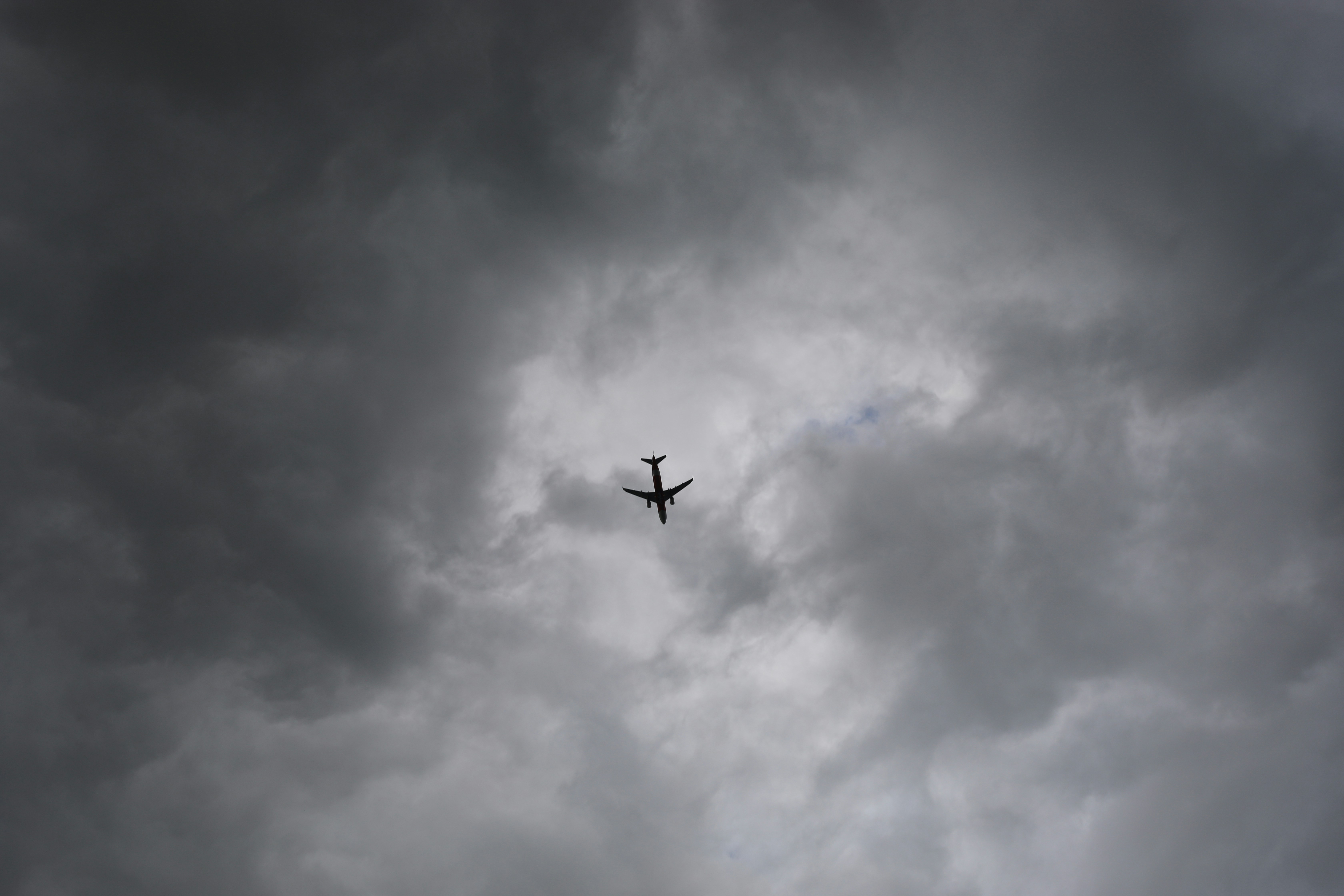
Six things that decide whether a landing can continue
Actual wind matters
Crews use measured wind direction, speed and gusts—not the storm name alone—to calculate components.
Limits are specific
Aircraft, operator and runway limits determine whether crosswind and tailwind conditions are acceptable.
Windshear changes everything
Rapid changes in wind can threaten energy and flight-path control close to the ground.
The runway must work
Standing water, braking action and landing distance can become limiting even when wind is acceptable.
The approach must stabilise
Crews monitor speed, path, configuration and power against approved stabilised-approach criteria.
There is always an exit
Holding fuel, alternates, go-around planning and timely diversion protect the operation if conditions worsen.
A typhoon signal is not a cockpit limit
A tropical cyclone covers a large area, and conditions vary sharply with location and time. The public warning signal describes the expected threat to the region; it does not tell a crew the exact crosswind on one runway or the windshear on one approach. That is why two flights close together can face different outcomes.
Pilots receive current observations, forecasts, air-traffic information and operator updates. They convert the reported wind into headwind, tailwind and crosswind components and compare those values with approved limitations and guidance. Gusts, wet-runway performance and the trend are as important as the headline wind speed.
Hong Kong watches the approach corridors closely
Hong Kong International Airport has complex low-level wind because air flowing around Lantau’s terrain can accelerate, slow and change direction. The Hong Kong Observatory uses Doppler weather radar, LIDAR and a network of sensors to detect windshear and turbulence and to issue alerts for the approach and departure corridors.
These systems improve awareness; they do not make hazardous wind disappear. A warning, an aircraft alert or an unstable flight path may require the crew to discontinue the approach. Going around is a planned safety manoeuvre, not a failed landing.
The safe decision can change in seconds
A crew may begin an approach because the latest information and calculations are acceptable, then go around when the wind changes or the aircraft no longer meets stabilised criteria. Another crew may divert earlier because its fuel, aircraft variant, company limits or operational picture is different.
The better question is therefore not “Can an aeroplane land in a typhoon?” It is “Are the actual conditions for this runway, aircraft and moment within limits, and can the crew maintain a safe approach?” If the answer becomes no, the system is designed to create another option.
- 01Observeobtain current weather, runway and windshear information
- 02Calculatecompare wind and landing performance with approved limits
- 03Monitorconfirm the approach remains stable as conditions change
- 04Exitgo around, hold or divert before margins are lost
Educational sequence only. Apply the appropriate approved guidance and see references below.
One useful question
Reflection promptWhy might one aircraft land while another goes around during the same storm—and why can both decisions be correct?
Keep learning
Explore more Hong Kong aviation science and learn how professional crews turn weather information into decisions. Explore the Knowledge Hub.