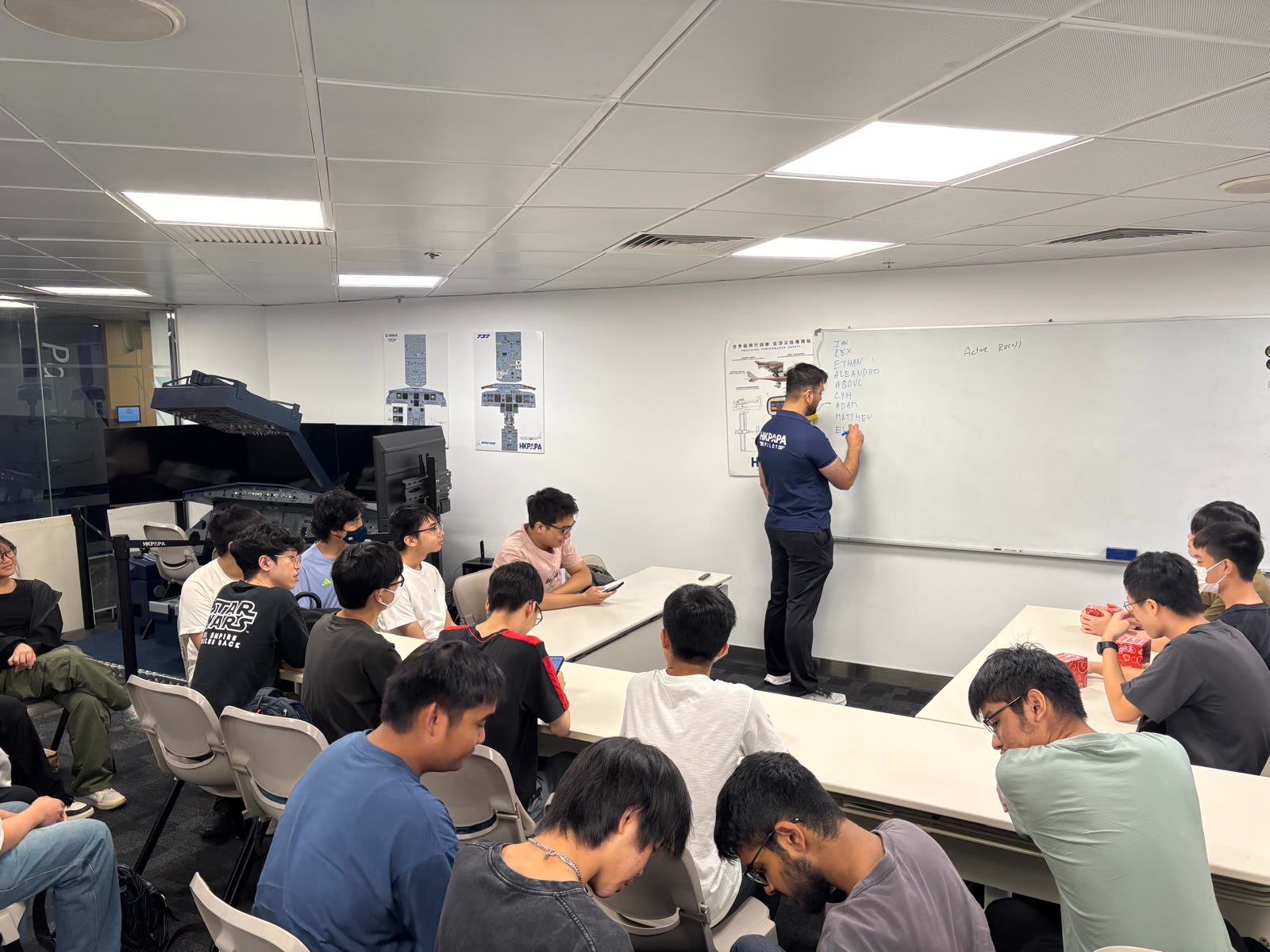
Students from the HKU SPACE Piloting course recently joined HKPAPA for a taster day designed to connect classroom learning with the working habits of professional pilots.
Across classroom discussions, practical activities and simulator sessions, the students explored a simple question: what does it mean to think like a pilot?
Learning how pilots think
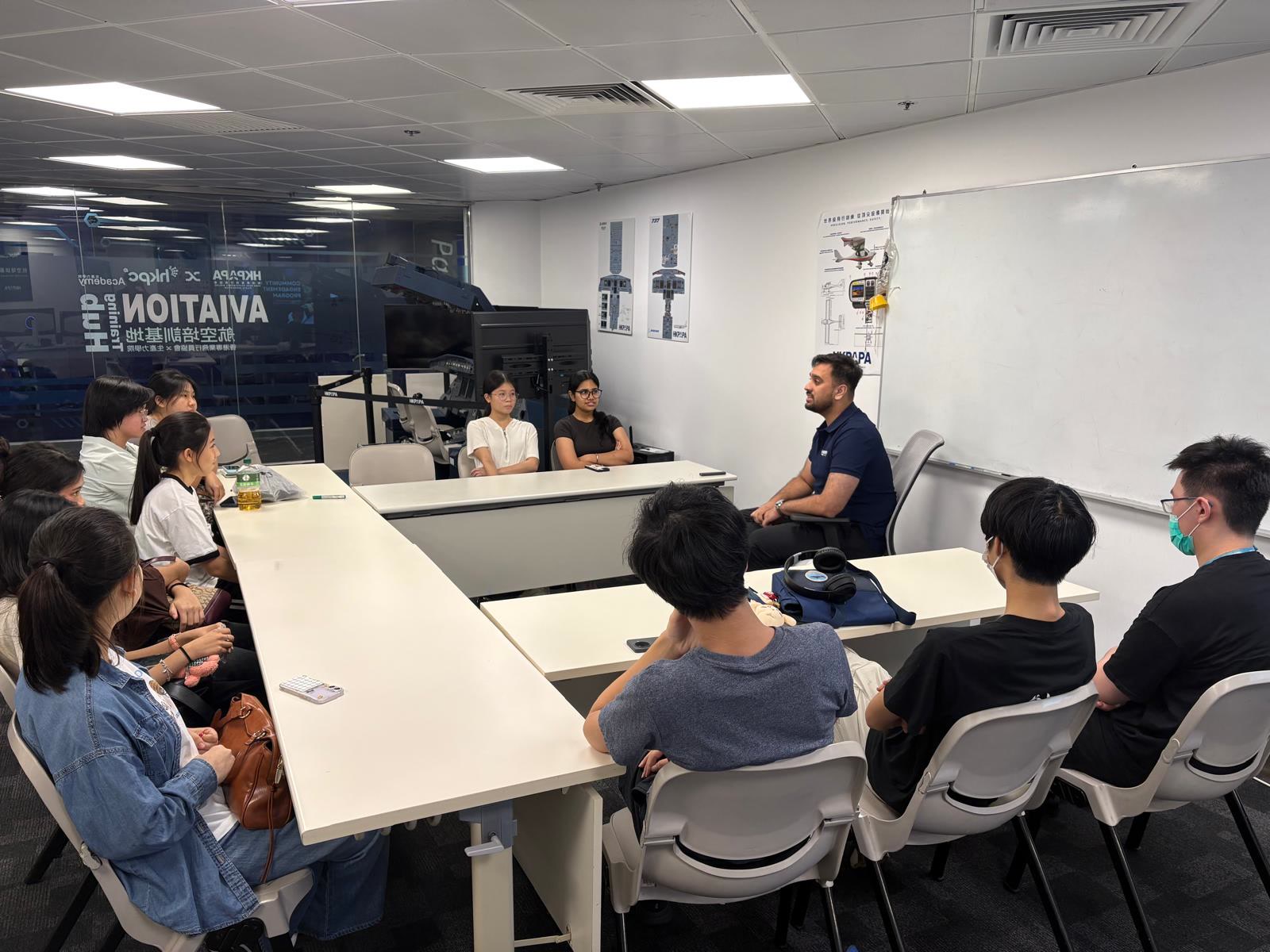
Flying is not only about moving the controls. Pilots must take in information, build a clear picture of what is happening, communicate their intentions, monitor the aircraft and stay ready to adjust the plan.
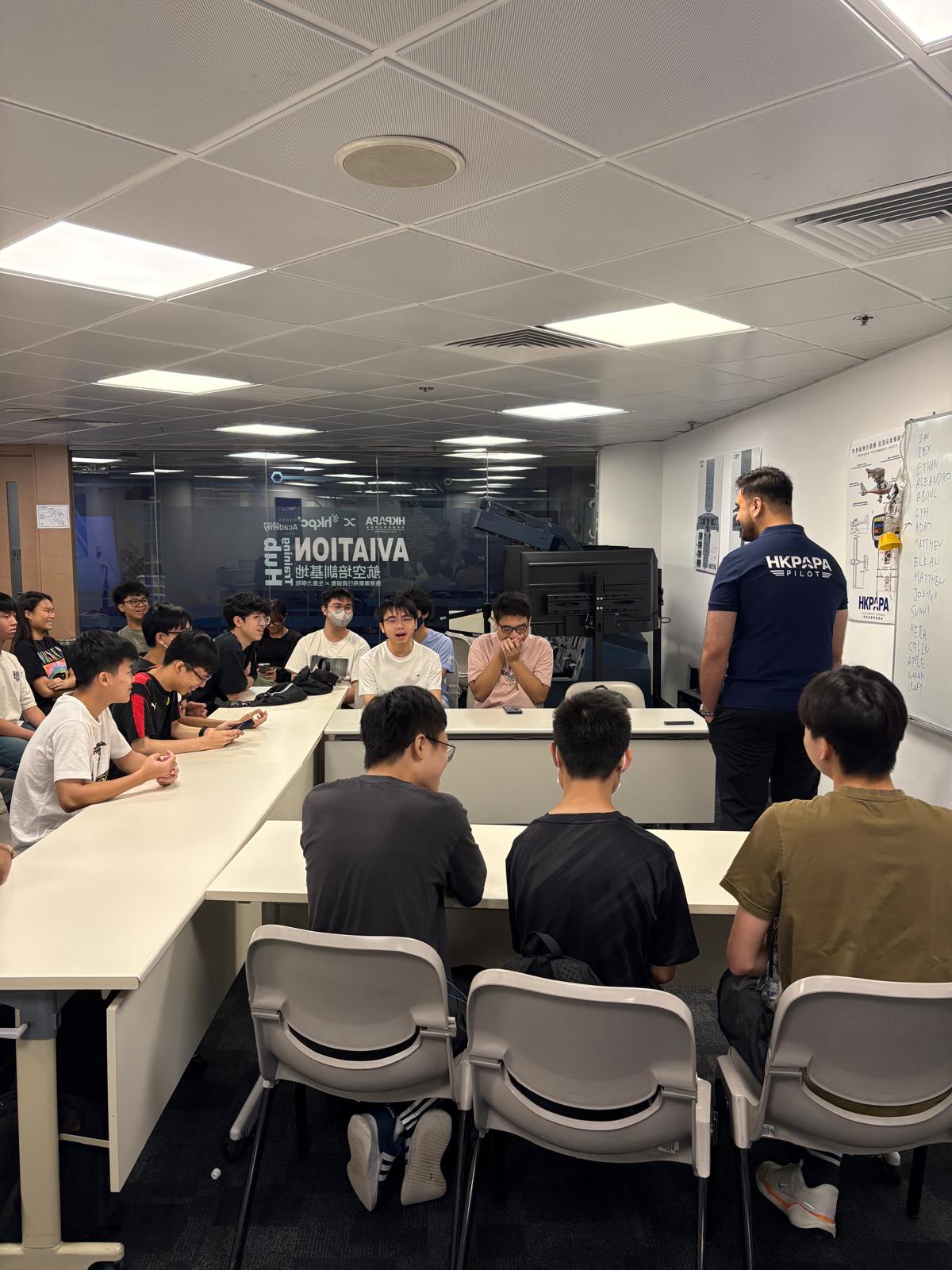
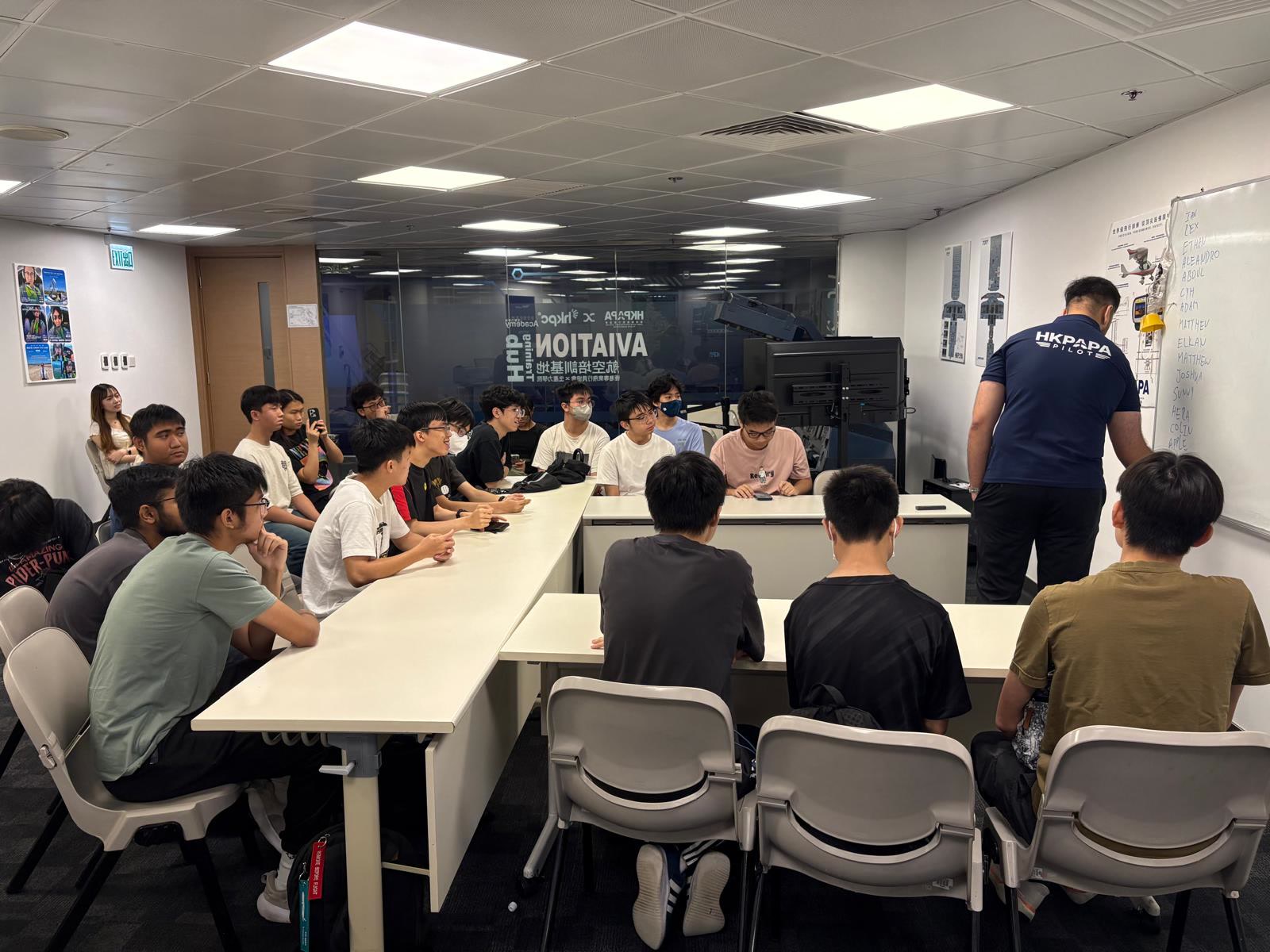
During the classroom session, HKPAPA instructors introduced the students to this disciplined way of thinking. The focus was on preparation, situational awareness, teamwork and clear communication—habits that help a crew manage workload and make sound decisions.
From explanation to practice
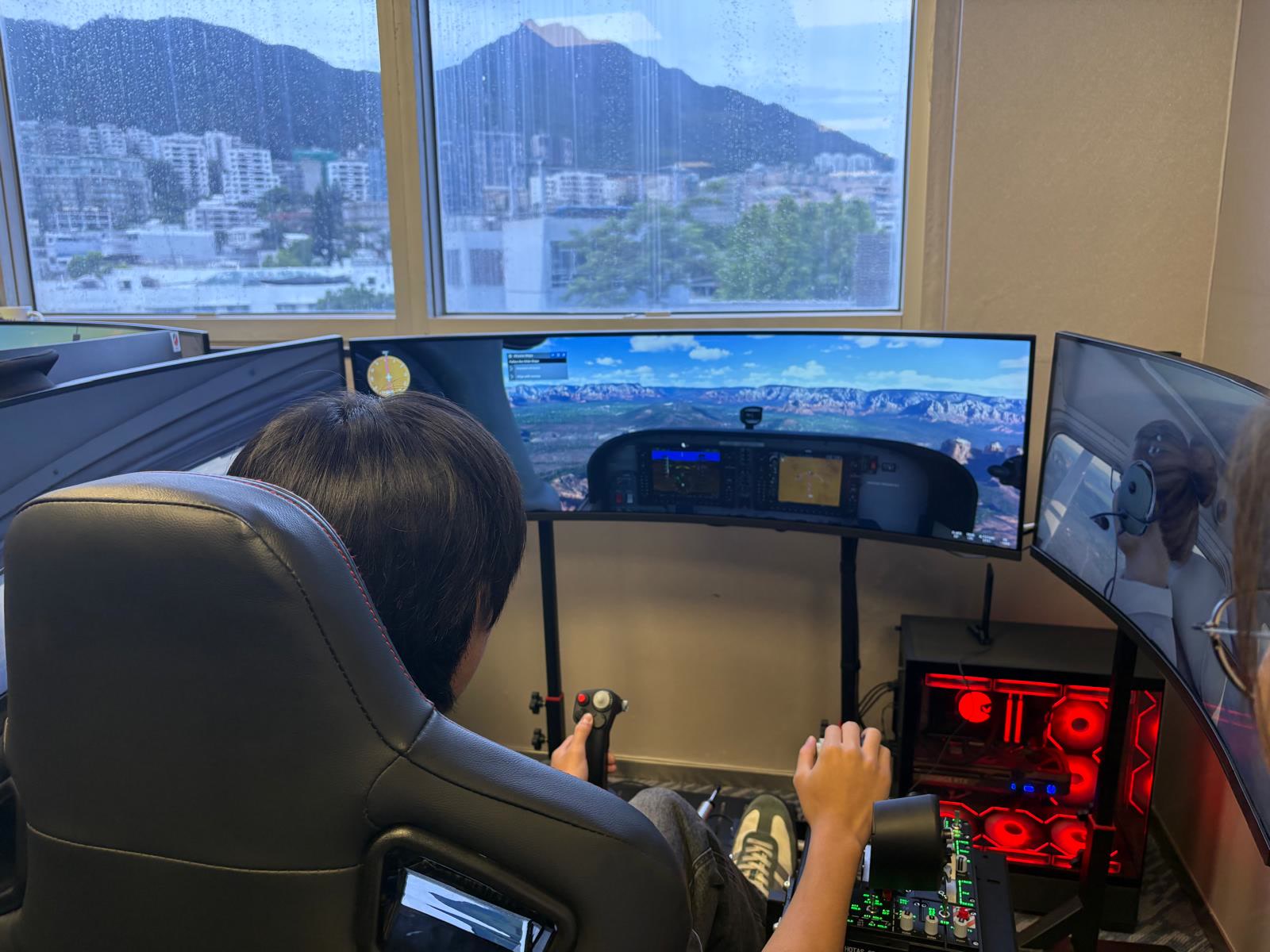
The simulator gave students a chance to see those ideas come together. With guidance from the HKPAPA team, they experienced the cockpit environment, tried the controls and observed how pilots divide attention between the aircraft, the instruments and the wider situation.
The exercise was a taster rather than a test. It encouraged students to ask questions, learn from each attempt and understand why pilots use structured briefings, checks and teamwork instead of relying on instinct alone.
Learning through participation and reflection
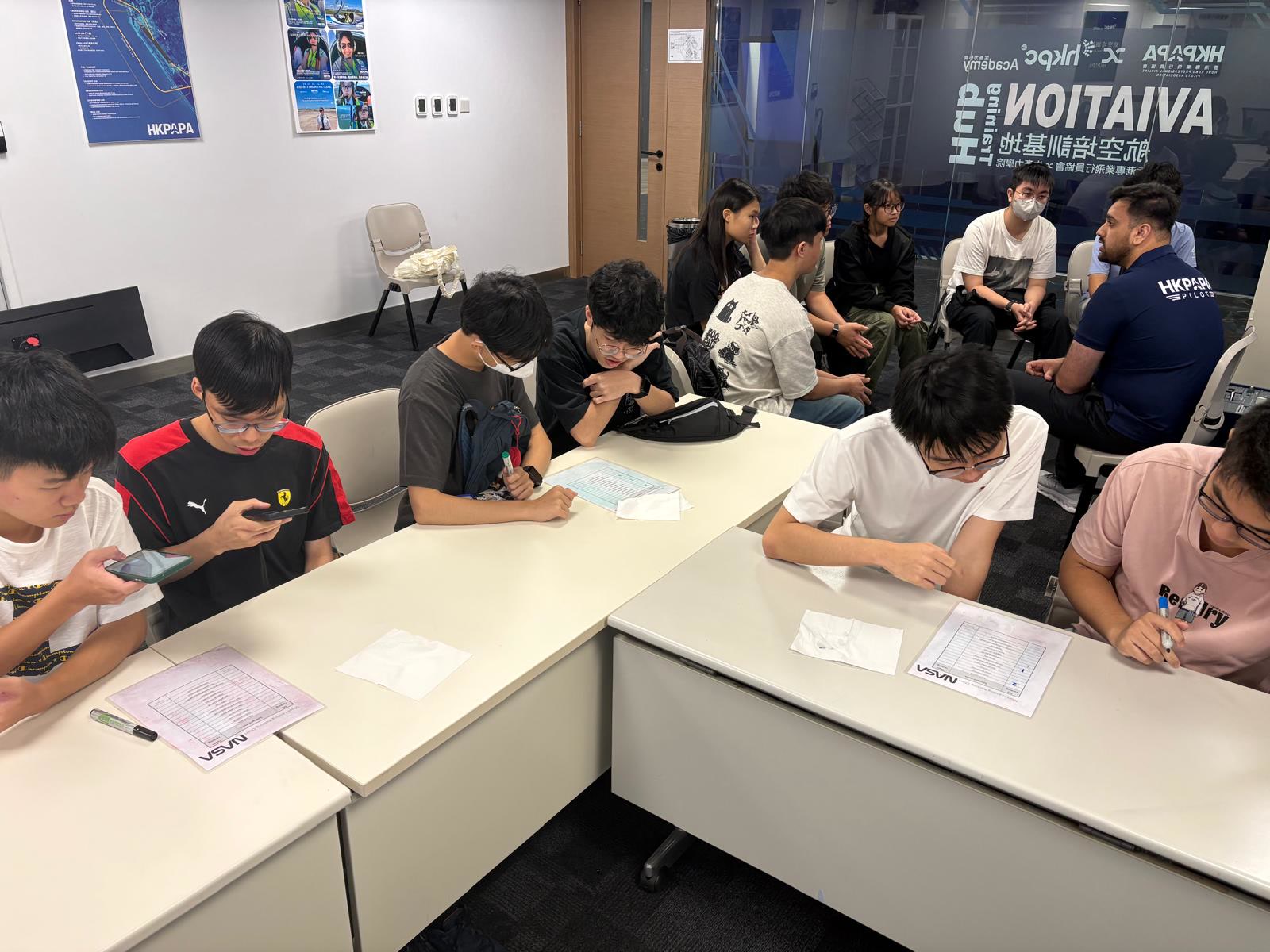
Applied learning becomes more meaningful when students can participate, compare observations and reflect on what they have just experienced. The group worked through classroom activities, listened to different viewpoints and shared what they had noticed.
Thank you to our education partners
HKPAPA thanks HKU SPACE and the Education Bureau for their support of Applied Learning and for helping students connect their studies with a professional aviation environment.
Experiences like this give young people a clearer view of the knowledge, discipline and teamwork behind the flight deck. They also show how classroom learning can become more memorable when students can see, discuss and apply ideas for themselves.